🎉 Up to 70% Off Selected ItemsShop Sale

1 / 2
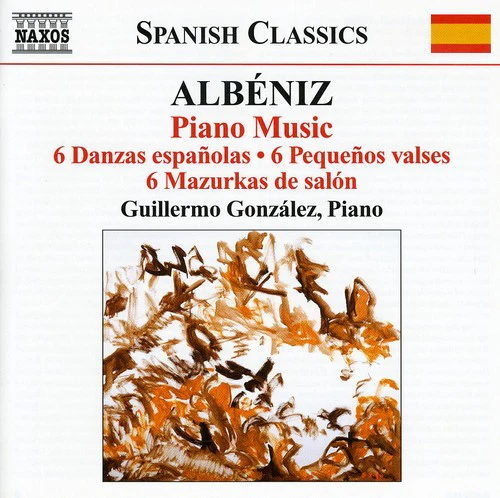
Albéniz: Piano Music Vol 3 / Guillermo González
ALBÉNIZ Danzas españolas. Pequeños valses. Mazurkas de salon • Guillermo González (pn) • NAXOS 8.572196 (69:42)
Isaac Albéniz wrote some of the defining piano music of the Spanish school. By and large, this is not it. This disc, the third in Naxos’s Albéniz series, is devoted to salon music composed early in the composer’s life. At the time, he was known as a piano virtuoso who also gave lessons to young ladies to whom he dedicated many of his salon pieces, including all six of these mazurkas.
Premonitions of the mature Albéniz may be glimpsed in the Danzas españolas , which shares a pleasant lilt, usually in habanera rhythm, and the composer’s predilection for a melodic line in three against a languid accompanying figure in four. The pieces resemble Granados’s later set of Spanish Dances in their occasional underlying hint of melancholy, but those in Albéniz’s set are neither as formally diverse nor as pianistically challenging as are those of his slightly younger contemporary. Chopin is the predominant influence in the sets of waltzes and mazurkas. Once again the results, while mellifluous and polished, are no comparison to the works of the Polish master in terms of ingenuity and memorability.
González, a noted Albéniz specialist, has the kind of muscular technique necessary to tackle Iberia and the late masterpieces, but lacks delicacy in this refined repertoire. There would be no whispering or throat clearing in his salon! Overall, this is a pleasant collection but unrepresentative of the composer’s most exciting work. If you are curious about the antecedents of Iberia , it is worth a listen.
FANFARE: Phillip Scott
ALBÉNIZ Danzas españolas. Pequeños valses. Mazurkas de salon • Guillermo González (pn) • NAXOS 8.572196 (69:42)
Isaac Albéniz wrote some of the defining piano music of the Spanish school. By and large, this is not it. This disc, the third in Naxos’s Albéniz series, is devoted to salon music composed early in the composer’s life. At the time, he was known as a piano virtuoso who also gave lessons to young ladies to whom he dedicated many of his salon pieces, including all six of these mazurkas.
Premonitions of the mature Albéniz may be glimpsed in the Danzas españolas , which shares a pleasant lilt, usually in habanera rhythm, and the composer’s predilection for a melodic line in three against a languid accompanying figure in four. The pieces resemble Granados’s later set of Spanish Dances in their occasional underlying hint of melancholy, but those in Albéniz’s set are neither as formally diverse nor as pianistically challenging as are those of his slightly younger contemporary. Chopin is the predominant influence in the sets of waltzes and mazurkas. Once again the results, while mellifluous and polished, are no comparison to the works of the Polish master in terms of ingenuity and memorability.
González, a noted Albéniz specialist, has the kind of muscular technique necessary to tackle Iberia and the late masterpieces, but lacks delicacy in this refined repertoire. There would be no whispering or throat clearing in his salon! Overall, this is a pleasant collection but unrepresentative of the composer’s most exciting work. If you are curious about the antecedents of Iberia , it is worth a listen.
FANFARE: Phillip Scott
$7.00
Original: $19.99
-65%Albéniz: Piano Music Vol 3 / Guillermo González—
$19.99
$7.00Description
ALBÉNIZ Danzas españolas. Pequeños valses. Mazurkas de salon • Guillermo González (pn) • NAXOS 8.572196 (69:42)
Isaac Albéniz wrote some of the defining piano music of the Spanish school. By and large, this is not it. This disc, the third in Naxos’s Albéniz series, is devoted to salon music composed early in the composer’s life. At the time, he was known as a piano virtuoso who also gave lessons to young ladies to whom he dedicated many of his salon pieces, including all six of these mazurkas.
Premonitions of the mature Albéniz may be glimpsed in the Danzas españolas , which shares a pleasant lilt, usually in habanera rhythm, and the composer’s predilection for a melodic line in three against a languid accompanying figure in four. The pieces resemble Granados’s later set of Spanish Dances in their occasional underlying hint of melancholy, but those in Albéniz’s set are neither as formally diverse nor as pianistically challenging as are those of his slightly younger contemporary. Chopin is the predominant influence in the sets of waltzes and mazurkas. Once again the results, while mellifluous and polished, are no comparison to the works of the Polish master in terms of ingenuity and memorability.
González, a noted Albéniz specialist, has the kind of muscular technique necessary to tackle Iberia and the late masterpieces, but lacks delicacy in this refined repertoire. There would be no whispering or throat clearing in his salon! Overall, this is a pleasant collection but unrepresentative of the composer’s most exciting work. If you are curious about the antecedents of Iberia , it is worth a listen.
FANFARE: Phillip Scott