🎉 Up to 70% Off Selected ItemsShop Sale

1 / 2
Bartók: Works for Orchestra & Piano and Orchestra
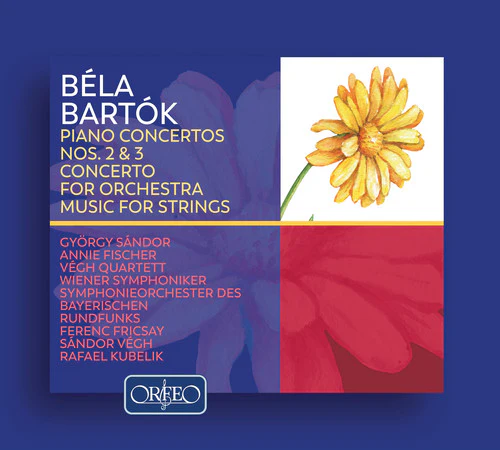
Hungarian composer, pianist, and ethnomusicologist Bela Bartok is considered to be one of the most important composers of the twentieth century. He and Franz Liszt to this day reign as Hungary’s greatest composers who have ever lived. Through his collection and analytical study of folk music, he was one of the founders of comparative musicology, which would go on to become ethnomusicology. Some of Bartók’s best-known works are collected on this album. All of them have written music history and decisively influenced classical Modernism. The composition of these works extends from 1927 (String Quartet No. 3) to 1945 (Piano Concerto No. 3).
Hungarian composer, pianist, and ethnomusicologist Bela Bartok is considered to be one of the most important composers of the twentieth century. He and Franz Liszt to this day reign as Hungary’s greatest composers who have ever lived. Through his collection and analytical study of folk music, he was one of the founders of comparative musicology, which would go on to become ethnomusicology. Some of Bartók’s best-known works are collected on this album. All of them have written music history and decisively influenced classical Modernism. The composition of these works extends from 1927 (String Quartet No. 3) to 1945 (Piano Concerto No. 3).
$5.95
Original: $16.99
-65%Bartók: Works for Orchestra & Piano and Orchestra—
$16.99
$5.95Description
Hungarian composer, pianist, and ethnomusicologist Bela Bartok is considered to be one of the most important composers of the twentieth century. He and Franz Liszt to this day reign as Hungary’s greatest composers who have ever lived. Through his collection and analytical study of folk music, he was one of the founders of comparative musicology, which would go on to become ethnomusicology. Some of Bartók’s best-known works are collected on this album. All of them have written music history and decisively influenced classical Modernism. The composition of these works extends from 1927 (String Quartet No. 3) to 1945 (Piano Concerto No. 3).