🎉 Up to 70% Off Selected ItemsShop Sale

1 / 2
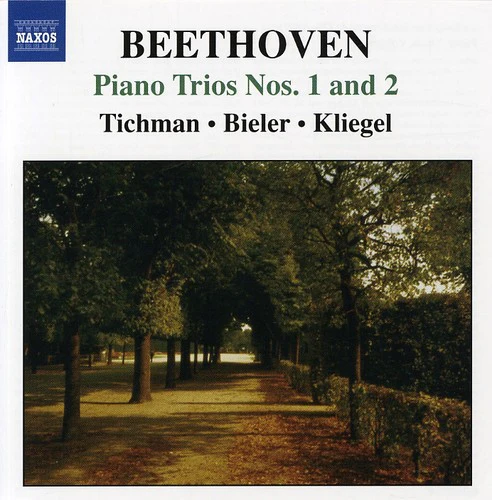
Beethoven: Complete Piano Trios Vol 2 / Xyrion Trio
BEETHOVEN Piano Trios: No. 1 in E?; No. 2 in G; Allegretto in B? • Xyrion Tr • NAXOS 8.557724 (64:26)
Pianist Nina Tichman, violinist Ida Bieler, and cellist Maria Kliegel joined forces in 2001 to form the Xyrion Trio. This release, their second in their complete Beethoven piano trio series for Naxos, presents the first two of the three op. 1 trios, along with the much later B? Allegretto. Judging both from their individual talents and the cohesive ensemble of their partnership, Xyrion is equal to the stiff competition in this already widely recorded repertoire. Their readings have great energy and polish, a sure sense of style and, most compelling, refreshing spontaneity and unmistakable ardor.
The shapeliness and contour of the opening thematic material of the E? Trio immediately signals these musicians’ capacities for vivid dynamic contrasts and boldly articulated rhetoric, characteristics beloved by Beethoven. When Tichman spins out the second movement’s delicious cantabile, Bieler and Kliegel answer her with solicitude and sympathy, creating the impression of a most civilized, heart-felt conversation among the best of friends. Their rustic treatment of the Scherzo, cited by Czerny as “the first scherzo in very quick time, a species of music of which Beethoven was the original inventor,” with its evocations of folk bagpipes, is simply irresistible.
The aura of animated dialogue is maintained throughout the G-Major Trio. Savor for instance the grumpy interjections of the piano’s left hand in the development of the Allegro vivace. The finale of this trio, like its predecessor’s, is a fleet presto, here tossed off with a Mendelssohnian sprightliness.
Whereas Beethoven’s op. 1 was published in 1795, the B? Allegretto, dating from 1812, did not appear in print until three years after the composer’s death. It was written for Maximiliane Brentano, the 10-year-old daughter of Antonie and Franz Brentano. Maynard Solomon has plausibly suggested that the mother, Antonie, could have been the intended recipient of Beethoven’s famous letter addressed to the “Immortal Beloved.” This charming piece is perfectly suited for a child, though clearly one who must have been an extremely talented young pianist. Xyrion’s performance is appropriately straightforward and playful.
My sole reservation, and a minor one, is that the quality of the recording makes the musicians sound a little distant. Fortunately they don’t sound muffled, and the abundance of nuance with which these sparkling performances fairly burst is not sacrificead. Even if you already own one or more recordings of these trios—and the Beaux Arts (Philips 468411) immediately comes to mind as one of the best—I think you’ll find a great deal that is interesting and fresh in this Xyrion disc. If you don’t, I can’t think of a better introduction to these charming works with which the young Beethoven made his public debut. Heartily recommended.
FANFARE: Patrick Rucker
BEETHOVEN Piano Trios: No. 1 in E?; No. 2 in G; Allegretto in B? • Xyrion Tr • NAXOS 8.557724 (64:26)
Pianist Nina Tichman, violinist Ida Bieler, and cellist Maria Kliegel joined forces in 2001 to form the Xyrion Trio. This release, their second in their complete Beethoven piano trio series for Naxos, presents the first two of the three op. 1 trios, along with the much later B? Allegretto. Judging both from their individual talents and the cohesive ensemble of their partnership, Xyrion is equal to the stiff competition in this already widely recorded repertoire. Their readings have great energy and polish, a sure sense of style and, most compelling, refreshing spontaneity and unmistakable ardor.
The shapeliness and contour of the opening thematic material of the E? Trio immediately signals these musicians’ capacities for vivid dynamic contrasts and boldly articulated rhetoric, characteristics beloved by Beethoven. When Tichman spins out the second movement’s delicious cantabile, Bieler and Kliegel answer her with solicitude and sympathy, creating the impression of a most civilized, heart-felt conversation among the best of friends. Their rustic treatment of the Scherzo, cited by Czerny as “the first scherzo in very quick time, a species of music of which Beethoven was the original inventor,” with its evocations of folk bagpipes, is simply irresistible.
The aura of animated dialogue is maintained throughout the G-Major Trio. Savor for instance the grumpy interjections of the piano’s left hand in the development of the Allegro vivace. The finale of this trio, like its predecessor’s, is a fleet presto, here tossed off with a Mendelssohnian sprightliness.
Whereas Beethoven’s op. 1 was published in 1795, the B? Allegretto, dating from 1812, did not appear in print until three years after the composer’s death. It was written for Maximiliane Brentano, the 10-year-old daughter of Antonie and Franz Brentano. Maynard Solomon has plausibly suggested that the mother, Antonie, could have been the intended recipient of Beethoven’s famous letter addressed to the “Immortal Beloved.” This charming piece is perfectly suited for a child, though clearly one who must have been an extremely talented young pianist. Xyrion’s performance is appropriately straightforward and playful.
My sole reservation, and a minor one, is that the quality of the recording makes the musicians sound a little distant. Fortunately they don’t sound muffled, and the abundance of nuance with which these sparkling performances fairly burst is not sacrificead. Even if you already own one or more recordings of these trios—and the Beaux Arts (Philips 468411) immediately comes to mind as one of the best—I think you’ll find a great deal that is interesting and fresh in this Xyrion disc. If you don’t, I can’t think of a better introduction to these charming works with which the young Beethoven made his public debut. Heartily recommended.
FANFARE: Patrick Rucker
$4.90
Original: $13.99
-65%Beethoven: Complete Piano Trios Vol 2 / Xyrion Trio—
$13.99
$4.90Description
BEETHOVEN Piano Trios: No. 1 in E?; No. 2 in G; Allegretto in B? • Xyrion Tr • NAXOS 8.557724 (64:26)
Pianist Nina Tichman, violinist Ida Bieler, and cellist Maria Kliegel joined forces in 2001 to form the Xyrion Trio. This release, their second in their complete Beethoven piano trio series for Naxos, presents the first two of the three op. 1 trios, along with the much later B? Allegretto. Judging both from their individual talents and the cohesive ensemble of their partnership, Xyrion is equal to the stiff competition in this already widely recorded repertoire. Their readings have great energy and polish, a sure sense of style and, most compelling, refreshing spontaneity and unmistakable ardor.
The shapeliness and contour of the opening thematic material of the E? Trio immediately signals these musicians’ capacities for vivid dynamic contrasts and boldly articulated rhetoric, characteristics beloved by Beethoven. When Tichman spins out the second movement’s delicious cantabile, Bieler and Kliegel answer her with solicitude and sympathy, creating the impression of a most civilized, heart-felt conversation among the best of friends. Their rustic treatment of the Scherzo, cited by Czerny as “the first scherzo in very quick time, a species of music of which Beethoven was the original inventor,” with its evocations of folk bagpipes, is simply irresistible.
The aura of animated dialogue is maintained throughout the G-Major Trio. Savor for instance the grumpy interjections of the piano’s left hand in the development of the Allegro vivace. The finale of this trio, like its predecessor’s, is a fleet presto, here tossed off with a Mendelssohnian sprightliness.
Whereas Beethoven’s op. 1 was published in 1795, the B? Allegretto, dating from 1812, did not appear in print until three years after the composer’s death. It was written for Maximiliane Brentano, the 10-year-old daughter of Antonie and Franz Brentano. Maynard Solomon has plausibly suggested that the mother, Antonie, could have been the intended recipient of Beethoven’s famous letter addressed to the “Immortal Beloved.” This charming piece is perfectly suited for a child, though clearly one who must have been an extremely talented young pianist. Xyrion’s performance is appropriately straightforward and playful.
My sole reservation, and a minor one, is that the quality of the recording makes the musicians sound a little distant. Fortunately they don’t sound muffled, and the abundance of nuance with which these sparkling performances fairly burst is not sacrificead. Even if you already own one or more recordings of these trios—and the Beaux Arts (Philips 468411) immediately comes to mind as one of the best—I think you’ll find a great deal that is interesting and fresh in this Xyrion disc. If you don’t, I can’t think of a better introduction to these charming works with which the young Beethoven made his public debut. Heartily recommended.
FANFARE: Patrick Rucker