🎉 Up to 70% Off Selected ItemsShop Sale

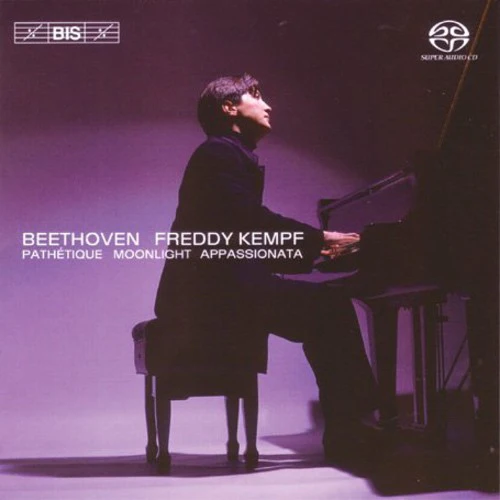
Beethoven: Piano Sonatas No 8, 14 & 23 / Freddy Kempf
This is a hybrid Super Audio CD playable on both regular and Super Audio CD players.
A generation of strict musicologists, literalist critics, and unimaginative performers will be offended by Freddy Kempf’s traversal of Beethoven’s three most approachable “name” sonatas, because the young Englishman is by no means strict, literal, or unimaginative. He seems to be goading us with the very first chord of the “Pathétique,” sustaining only the left-hand notes, creating an unexpectedly blunt strike against the keyboard (an effect he reproduces every time that passage repeats). The introductory material is full of hesitations and rubato that call to mind C. P. E. Bach, and the main theme takes off like the proverbial bat out of hell. Never does Kempf’s handling of the music seem arbitrary, but it is surprising enough to keep jaded listeners alert.
There’s tenderness and repose here, too, notably in the second movement of the “Pathétique,” although this movement also has its odd dull moments. The over-famous first movement of the “Moonlight” sonata is full of unexpected detail, although it is neither sentimentalized nor excessively dramatized. The final movement is fleet and assertive, with immaculate passagework, all the while Kempf proving that it’s not necessary to hammer the klavier. The “Appassionata” has fewer surprises, yet it’s keenly organized (listen to his absolutely right transition into the final presto pages), and fiery in the outer movements. In DSD surround mode, the recorded sound is close in a reverberant space, perhaps a bit harder in forte passages than is ideal; it’s more generalized and quite solid in two-channel CD playback.
Kempf’s Beethoven, while by no means outlandish (certainly not by the standards of a century ago), will not please listeners who frown on any little departure from the printed score. But it’s full of panache that never misrepresents Beethoven, and it’s that rarest of things, a new standard-rep recording individual enough to justify being released into a crowded market.
James Reel, FANFARE
A generation of strict musicologists, literalist critics, and unimaginative performers will be offended by Freddy Kempf’s traversal of Beethoven’s three most approachable “name” sonatas, because the young Englishman is by no means strict, literal, or unimaginative. He seems to be goading us with the very first chord of the “Pathétique,” sustaining only the left-hand notes, creating an unexpectedly blunt strike against the keyboard (an effect he reproduces every time that passage repeats). The introductory material is full of hesitations and rubato that call to mind C. P. E. Bach, and the main theme takes off like the proverbial bat out of hell. Never does Kempf’s handling of the music seem arbitrary, but it is surprising enough to keep jaded listeners alert.
There’s tenderness and repose here, too, notably in the second movement of the “Pathétique,” although this movement also has its odd dull moments. The over-famous first movement of the “Moonlight” sonata is full of unexpected detail, although it is neither sentimentalized nor excessively dramatized. The final movement is fleet and assertive, with immaculate passagework, all the while Kempf proving that it’s not necessary to hammer the klavier. The “Appassionata” has fewer surprises, yet it’s keenly organized (listen to his absolutely right transition into the final presto pages), and fiery in the outer movements. In DSD surround mode, the recorded sound is close in a reverberant space, perhaps a bit harder in forte passages than is ideal; it’s more generalized and quite solid in two-channel CD playback.
Kempf’s Beethoven, while by no means outlandish (certainly not by the standards of a century ago), will not please listeners who frown on any little departure from the printed score. But it’s full of panache that never misrepresents Beethoven, and it’s that rarest of things, a new standard-rep recording individual enough to justify being released into a crowded market.
James Reel, FANFARE
This is a hybrid Super Audio CD playable on both regular and Super Audio CD players.
A generation of strict musicologists, literalist critics, and unimaginative performers will be offended by Freddy Kempf’s traversal of Beethoven’s three most approachable “name” sonatas, because the young Englishman is by no means strict, literal, or unimaginative. He seems to be goading us with the very first chord of the “Pathétique,” sustaining only the left-hand notes, creating an unexpectedly blunt strike against the keyboard (an effect he reproduces every time that passage repeats). The introductory material is full of hesitations and rubato that call to mind C. P. E. Bach, and the main theme takes off like the proverbial bat out of hell. Never does Kempf’s handling of the music seem arbitrary, but it is surprising enough to keep jaded listeners alert.
There’s tenderness and repose here, too, notably in the second movement of the “Pathétique,” although this movement also has its odd dull moments. The over-famous first movement of the “Moonlight” sonata is full of unexpected detail, although it is neither sentimentalized nor excessively dramatized. The final movement is fleet and assertive, with immaculate passagework, all the while Kempf proving that it’s not necessary to hammer the klavier. The “Appassionata” has fewer surprises, yet it’s keenly organized (listen to his absolutely right transition into the final presto pages), and fiery in the outer movements. In DSD surround mode, the recorded sound is close in a reverberant space, perhaps a bit harder in forte passages than is ideal; it’s more generalized and quite solid in two-channel CD playback.
Kempf’s Beethoven, while by no means outlandish (certainly not by the standards of a century ago), will not please listeners who frown on any little departure from the printed score. But it’s full of panache that never misrepresents Beethoven, and it’s that rarest of things, a new standard-rep recording individual enough to justify being released into a crowded market.
James Reel, FANFARE
A generation of strict musicologists, literalist critics, and unimaginative performers will be offended by Freddy Kempf’s traversal of Beethoven’s three most approachable “name” sonatas, because the young Englishman is by no means strict, literal, or unimaginative. He seems to be goading us with the very first chord of the “Pathétique,” sustaining only the left-hand notes, creating an unexpectedly blunt strike against the keyboard (an effect he reproduces every time that passage repeats). The introductory material is full of hesitations and rubato that call to mind C. P. E. Bach, and the main theme takes off like the proverbial bat out of hell. Never does Kempf’s handling of the music seem arbitrary, but it is surprising enough to keep jaded listeners alert.
There’s tenderness and repose here, too, notably in the second movement of the “Pathétique,” although this movement also has its odd dull moments. The over-famous first movement of the “Moonlight” sonata is full of unexpected detail, although it is neither sentimentalized nor excessively dramatized. The final movement is fleet and assertive, with immaculate passagework, all the while Kempf proving that it’s not necessary to hammer the klavier. The “Appassionata” has fewer surprises, yet it’s keenly organized (listen to his absolutely right transition into the final presto pages), and fiery in the outer movements. In DSD surround mode, the recorded sound is close in a reverberant space, perhaps a bit harder in forte passages than is ideal; it’s more generalized and quite solid in two-channel CD playback.
Kempf’s Beethoven, while by no means outlandish (certainly not by the standards of a century ago), will not please listeners who frown on any little departure from the printed score. But it’s full of panache that never misrepresents Beethoven, and it’s that rarest of things, a new standard-rep recording individual enough to justify being released into a crowded market.
James Reel, FANFARE
$7.70
Original: $21.99
-65%Beethoven: Piano Sonatas No 8, 14 & 23 / Freddy Kempf—
$21.99
$7.70Description
This is a hybrid Super Audio CD playable on both regular and Super Audio CD players.
A generation of strict musicologists, literalist critics, and unimaginative performers will be offended by Freddy Kempf’s traversal of Beethoven’s three most approachable “name” sonatas, because the young Englishman is by no means strict, literal, or unimaginative. He seems to be goading us with the very first chord of the “Pathétique,” sustaining only the left-hand notes, creating an unexpectedly blunt strike against the keyboard (an effect he reproduces every time that passage repeats). The introductory material is full of hesitations and rubato that call to mind C. P. E. Bach, and the main theme takes off like the proverbial bat out of hell. Never does Kempf’s handling of the music seem arbitrary, but it is surprising enough to keep jaded listeners alert.
There’s tenderness and repose here, too, notably in the second movement of the “Pathétique,” although this movement also has its odd dull moments. The over-famous first movement of the “Moonlight” sonata is full of unexpected detail, although it is neither sentimentalized nor excessively dramatized. The final movement is fleet and assertive, with immaculate passagework, all the while Kempf proving that it’s not necessary to hammer the klavier. The “Appassionata” has fewer surprises, yet it’s keenly organized (listen to his absolutely right transition into the final presto pages), and fiery in the outer movements. In DSD surround mode, the recorded sound is close in a reverberant space, perhaps a bit harder in forte passages than is ideal; it’s more generalized and quite solid in two-channel CD playback.
Kempf’s Beethoven, while by no means outlandish (certainly not by the standards of a century ago), will not please listeners who frown on any little departure from the printed score. But it’s full of panache that never misrepresents Beethoven, and it’s that rarest of things, a new standard-rep recording individual enough to justify being released into a crowded market.
James Reel, FANFARE
A generation of strict musicologists, literalist critics, and unimaginative performers will be offended by Freddy Kempf’s traversal of Beethoven’s three most approachable “name” sonatas, because the young Englishman is by no means strict, literal, or unimaginative. He seems to be goading us with the very first chord of the “Pathétique,” sustaining only the left-hand notes, creating an unexpectedly blunt strike against the keyboard (an effect he reproduces every time that passage repeats). The introductory material is full of hesitations and rubato that call to mind C. P. E. Bach, and the main theme takes off like the proverbial bat out of hell. Never does Kempf’s handling of the music seem arbitrary, but it is surprising enough to keep jaded listeners alert.
There’s tenderness and repose here, too, notably in the second movement of the “Pathétique,” although this movement also has its odd dull moments. The over-famous first movement of the “Moonlight” sonata is full of unexpected detail, although it is neither sentimentalized nor excessively dramatized. The final movement is fleet and assertive, with immaculate passagework, all the while Kempf proving that it’s not necessary to hammer the klavier. The “Appassionata” has fewer surprises, yet it’s keenly organized (listen to his absolutely right transition into the final presto pages), and fiery in the outer movements. In DSD surround mode, the recorded sound is close in a reverberant space, perhaps a bit harder in forte passages than is ideal; it’s more generalized and quite solid in two-channel CD playback.
Kempf’s Beethoven, while by no means outlandish (certainly not by the standards of a century ago), will not please listeners who frown on any little departure from the printed score. But it’s full of panache that never misrepresents Beethoven, and it’s that rarest of things, a new standard-rep recording individual enough to justify being released into a crowded market.
James Reel, FANFARE