🎉 Up to 70% Off Selected ItemsShop Sale

1 / 2
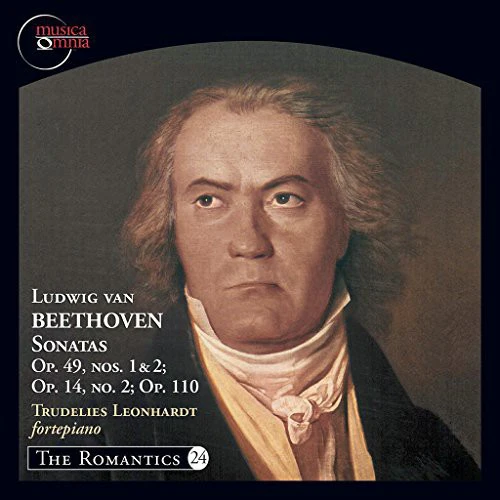
Beethoven: Sonatas, Op. 49 Nos.1 & 2, Op. 14 No. 2, Op. 110 / Trudelies Leonhardt
Collectors familiar with Trudelies Leonhardt’s previous Beethoven releases on the Globe and Meridian labels will know what to expect here. As before, she uses a Viennese Benignus Seidner model fortepiano dating from 1815. Its low notes have a warm, slightly nasal timbre, with an attractive singing quality to the middle and high registers that contrasts to the jangly sonorities we sometimes hear from other instruments from that period, such as the Graf fortepiano. Leonhardt’s genial performing style evokes the intimacy and spontaneous inflections typical of Wilhelm Kempff and Wilhelm Backhaus in their later years.
She takes the two Op. 49 sonatas’ modest dimensions on their own terms, projecting the melodies in natural, conversational arcs. Leonhardt’s tempo for the G major Op. 14 No. 1 first movement is more of a Moderato than the Allegro that Beethoven specifies, and we might wish for more rhythmic backbone in the development section, or a brusquer attack to the Andante’s soft staccato chords. By contrast, Leonhardt brings out the Allegro assai finale’s sense of surprise in her sophisticated timing of the ascending scales and rests.
Also note the uncommonly clear left-hand passagework in Leonhardt’s expansive and well-proportioned Op. 110 sonata opening movement. Her little luftpauses at phrase ends disrupt the rhythmic flow of the Allegro molto movement’s main theme. The expressive eloquence informing the third movement’s ”Klagender Gesang” best illustrates Leonhardt’s seasoned musicianship, although she doesn’t match Peter Serkin and Ronald Brautigam for virtuosic momentum in the fugue’s climax. The booklet includes an extensive essay about the Seidner fortepiano and excellent musical annotations.
-- Jed Distler, ClassicsToday.com
She takes the two Op. 49 sonatas’ modest dimensions on their own terms, projecting the melodies in natural, conversational arcs. Leonhardt’s tempo for the G major Op. 14 No. 1 first movement is more of a Moderato than the Allegro that Beethoven specifies, and we might wish for more rhythmic backbone in the development section, or a brusquer attack to the Andante’s soft staccato chords. By contrast, Leonhardt brings out the Allegro assai finale’s sense of surprise in her sophisticated timing of the ascending scales and rests.
Also note the uncommonly clear left-hand passagework in Leonhardt’s expansive and well-proportioned Op. 110 sonata opening movement. Her little luftpauses at phrase ends disrupt the rhythmic flow of the Allegro molto movement’s main theme. The expressive eloquence informing the third movement’s ”Klagender Gesang” best illustrates Leonhardt’s seasoned musicianship, although she doesn’t match Peter Serkin and Ronald Brautigam for virtuosic momentum in the fugue’s climax. The booklet includes an extensive essay about the Seidner fortepiano and excellent musical annotations.
-- Jed Distler, ClassicsToday.com
Collectors familiar with Trudelies Leonhardt’s previous Beethoven releases on the Globe and Meridian labels will know what to expect here. As before, she uses a Viennese Benignus Seidner model fortepiano dating from 1815. Its low notes have a warm, slightly nasal timbre, with an attractive singing quality to the middle and high registers that contrasts to the jangly sonorities we sometimes hear from other instruments from that period, such as the Graf fortepiano. Leonhardt’s genial performing style evokes the intimacy and spontaneous inflections typical of Wilhelm Kempff and Wilhelm Backhaus in their later years.
She takes the two Op. 49 sonatas’ modest dimensions on their own terms, projecting the melodies in natural, conversational arcs. Leonhardt’s tempo for the G major Op. 14 No. 1 first movement is more of a Moderato than the Allegro that Beethoven specifies, and we might wish for more rhythmic backbone in the development section, or a brusquer attack to the Andante’s soft staccato chords. By contrast, Leonhardt brings out the Allegro assai finale’s sense of surprise in her sophisticated timing of the ascending scales and rests.
Also note the uncommonly clear left-hand passagework in Leonhardt’s expansive and well-proportioned Op. 110 sonata opening movement. Her little luftpauses at phrase ends disrupt the rhythmic flow of the Allegro molto movement’s main theme. The expressive eloquence informing the third movement’s ”Klagender Gesang” best illustrates Leonhardt’s seasoned musicianship, although she doesn’t match Peter Serkin and Ronald Brautigam for virtuosic momentum in the fugue’s climax. The booklet includes an extensive essay about the Seidner fortepiano and excellent musical annotations.
-- Jed Distler, ClassicsToday.com
She takes the two Op. 49 sonatas’ modest dimensions on their own terms, projecting the melodies in natural, conversational arcs. Leonhardt’s tempo for the G major Op. 14 No. 1 first movement is more of a Moderato than the Allegro that Beethoven specifies, and we might wish for more rhythmic backbone in the development section, or a brusquer attack to the Andante’s soft staccato chords. By contrast, Leonhardt brings out the Allegro assai finale’s sense of surprise in her sophisticated timing of the ascending scales and rests.
Also note the uncommonly clear left-hand passagework in Leonhardt’s expansive and well-proportioned Op. 110 sonata opening movement. Her little luftpauses at phrase ends disrupt the rhythmic flow of the Allegro molto movement’s main theme. The expressive eloquence informing the third movement’s ”Klagender Gesang” best illustrates Leonhardt’s seasoned musicianship, although she doesn’t match Peter Serkin and Ronald Brautigam for virtuosic momentum in the fugue’s climax. The booklet includes an extensive essay about the Seidner fortepiano and excellent musical annotations.
-- Jed Distler, ClassicsToday.com
$5.25
Original: $14.99
-65%Beethoven: Sonatas, Op. 49 Nos.1 & 2, Op. 14 No. 2, Op. 110 / Trudelies Leonhardt—
$14.99
$5.25Description
Collectors familiar with Trudelies Leonhardt’s previous Beethoven releases on the Globe and Meridian labels will know what to expect here. As before, she uses a Viennese Benignus Seidner model fortepiano dating from 1815. Its low notes have a warm, slightly nasal timbre, with an attractive singing quality to the middle and high registers that contrasts to the jangly sonorities we sometimes hear from other instruments from that period, such as the Graf fortepiano. Leonhardt’s genial performing style evokes the intimacy and spontaneous inflections typical of Wilhelm Kempff and Wilhelm Backhaus in their later years.
She takes the two Op. 49 sonatas’ modest dimensions on their own terms, projecting the melodies in natural, conversational arcs. Leonhardt’s tempo for the G major Op. 14 No. 1 first movement is more of a Moderato than the Allegro that Beethoven specifies, and we might wish for more rhythmic backbone in the development section, or a brusquer attack to the Andante’s soft staccato chords. By contrast, Leonhardt brings out the Allegro assai finale’s sense of surprise in her sophisticated timing of the ascending scales and rests.
Also note the uncommonly clear left-hand passagework in Leonhardt’s expansive and well-proportioned Op. 110 sonata opening movement. Her little luftpauses at phrase ends disrupt the rhythmic flow of the Allegro molto movement’s main theme. The expressive eloquence informing the third movement’s ”Klagender Gesang” best illustrates Leonhardt’s seasoned musicianship, although she doesn’t match Peter Serkin and Ronald Brautigam for virtuosic momentum in the fugue’s climax. The booklet includes an extensive essay about the Seidner fortepiano and excellent musical annotations.
-- Jed Distler, ClassicsToday.com
She takes the two Op. 49 sonatas’ modest dimensions on their own terms, projecting the melodies in natural, conversational arcs. Leonhardt’s tempo for the G major Op. 14 No. 1 first movement is more of a Moderato than the Allegro that Beethoven specifies, and we might wish for more rhythmic backbone in the development section, or a brusquer attack to the Andante’s soft staccato chords. By contrast, Leonhardt brings out the Allegro assai finale’s sense of surprise in her sophisticated timing of the ascending scales and rests.
Also note the uncommonly clear left-hand passagework in Leonhardt’s expansive and well-proportioned Op. 110 sonata opening movement. Her little luftpauses at phrase ends disrupt the rhythmic flow of the Allegro molto movement’s main theme. The expressive eloquence informing the third movement’s ”Klagender Gesang” best illustrates Leonhardt’s seasoned musicianship, although she doesn’t match Peter Serkin and Ronald Brautigam for virtuosic momentum in the fugue’s climax. The booklet includes an extensive essay about the Seidner fortepiano and excellent musical annotations.
-- Jed Distler, ClassicsToday.com