🎉 Up to 70% Off Selected ItemsShop Sale

1 / 2
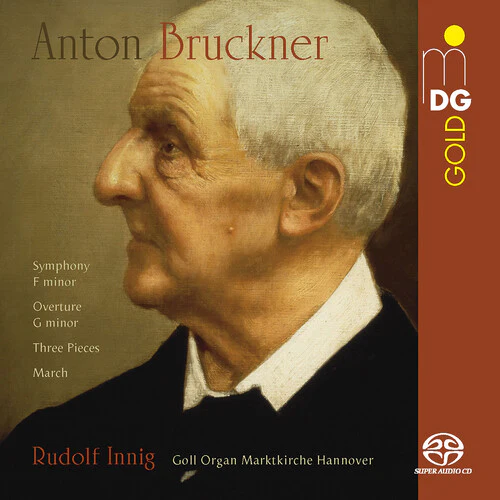
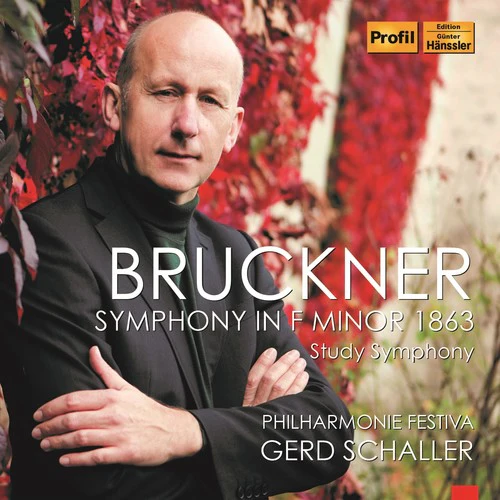
Bruckner: Symphony in F Minor 1863 "Study Symphony"
Without denying its Classical and Romantic models (including Beethoven, Carl Maria von Weber, and Franz Schubert), the F minor Symphony shows a refined grasp of formal, dynamic, and structural logic and demonstrates Bruckner’s extraordinary creative powers in this, his first symphonic work. Formal criteria like repeating the exposition before the development in the outer movements, or Beethoven-like figurations in the second thematic block of the Andante, point to Classical influences, while in the development of the first movement, besides the classically-influenced motivic and thematic treatment, there are clearly Romantic tendencies recalling Schubert’s “Unfinished” Symphony and Weber’s opera Der Freischutz. Here we already see Bruckner’s great skill in incorporating apparently foreign material into his thematic development- inconspicuously and fruitfully, and without making obvious citations- a quality that may well derive from his experience improvising at the organ.
Without denying its Classical and Romantic models (including Beethoven, Carl Maria von Weber, and Franz Schubert), the F minor Symphony shows a refined grasp of formal, dynamic, and structural logic and demonstrates Bruckner’s extraordinary creative powers in this, his first symphonic work. Formal criteria like repeating the exposition before the development in the outer movements, or Beethoven-like figurations in the second thematic block of the Andante, point to Classical influences, while in the development of the first movement, besides the classically-influenced motivic and thematic treatment, there are clearly Romantic tendencies recalling Schubert’s “Unfinished” Symphony and Weber’s opera Der Freischutz. Here we already see Bruckner’s great skill in incorporating apparently foreign material into his thematic development- inconspicuously and fruitfully, and without making obvious citations- a quality that may well derive from his experience improvising at the organ.
$6.65
Original: $18.99
-65%Bruckner: Symphony in F Minor 1863 "Study Symphony"—
$18.99
$6.65Description
Without denying its Classical and Romantic models (including Beethoven, Carl Maria von Weber, and Franz Schubert), the F minor Symphony shows a refined grasp of formal, dynamic, and structural logic and demonstrates Bruckner’s extraordinary creative powers in this, his first symphonic work. Formal criteria like repeating the exposition before the development in the outer movements, or Beethoven-like figurations in the second thematic block of the Andante, point to Classical influences, while in the development of the first movement, besides the classically-influenced motivic and thematic treatment, there are clearly Romantic tendencies recalling Schubert’s “Unfinished” Symphony and Weber’s opera Der Freischutz. Here we already see Bruckner’s great skill in incorporating apparently foreign material into his thematic development- inconspicuously and fruitfully, and without making obvious citations- a quality that may well derive from his experience improvising at the organ.