🎉 Up to 70% Off Selected ItemsShop Sale

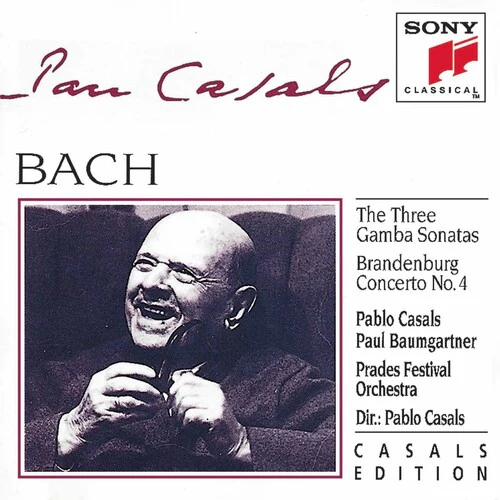
Casals Edition - Bach: The Three Gamba Sonatas, Brandenburg No 4
These performances from the inaugural 1950 Prades Festival are unforgettable. The Sonatas evince a grandeur and humanity that was quintessential Casals.
'The work of all artists stands as a symbol of human freedom; no one has enriched that freedom more signally than Pablo Casals'; President John Kennedy's tribute to the great Catalan cellist on the occasion of his fabled White House appearance in 1961 resounds eloquently across the decades in these reissues. A passionate antagonist of tyranny and injustice, Casals withdrew from public life in 1945, having settled in Prades as a refugee in 1939. His return to the concert stage during festivals at Prades and Perpignan between 1950 and 1966, was catalogued by inspirational performances originally mustered on mediocre-sounding Columbia LPs.
...[T]he Bach performances from the inaugural 1950 Prades event are unforgettable; Casals recorded these sonatas, written for viola da gamba with pianist Paul Baumgartner, and directed the Festival Orchestra in the Fourth Brandenburg Concerto. If the latter recalls inflated pre-war emasculations from the Busch ensemble and others, the Sonatas evince a grandeur and humanity that was quintessential Casals, and in uncommonly decent sound.
-- Michael Jameson, BBC Music Magazine
'The work of all artists stands as a symbol of human freedom; no one has enriched that freedom more signally than Pablo Casals'; President John Kennedy's tribute to the great Catalan cellist on the occasion of his fabled White House appearance in 1961 resounds eloquently across the decades in these reissues. A passionate antagonist of tyranny and injustice, Casals withdrew from public life in 1945, having settled in Prades as a refugee in 1939. His return to the concert stage during festivals at Prades and Perpignan between 1950 and 1966, was catalogued by inspirational performances originally mustered on mediocre-sounding Columbia LPs.
...[T]he Bach performances from the inaugural 1950 Prades event are unforgettable; Casals recorded these sonatas, written for viola da gamba with pianist Paul Baumgartner, and directed the Festival Orchestra in the Fourth Brandenburg Concerto. If the latter recalls inflated pre-war emasculations from the Busch ensemble and others, the Sonatas evince a grandeur and humanity that was quintessential Casals, and in uncommonly decent sound.
-- Michael Jameson, BBC Music Magazine
These performances from the inaugural 1950 Prades Festival are unforgettable. The Sonatas evince a grandeur and humanity that was quintessential Casals.
'The work of all artists stands as a symbol of human freedom; no one has enriched that freedom more signally than Pablo Casals'; President John Kennedy's tribute to the great Catalan cellist on the occasion of his fabled White House appearance in 1961 resounds eloquently across the decades in these reissues. A passionate antagonist of tyranny and injustice, Casals withdrew from public life in 1945, having settled in Prades as a refugee in 1939. His return to the concert stage during festivals at Prades and Perpignan between 1950 and 1966, was catalogued by inspirational performances originally mustered on mediocre-sounding Columbia LPs.
...[T]he Bach performances from the inaugural 1950 Prades event are unforgettable; Casals recorded these sonatas, written for viola da gamba with pianist Paul Baumgartner, and directed the Festival Orchestra in the Fourth Brandenburg Concerto. If the latter recalls inflated pre-war emasculations from the Busch ensemble and others, the Sonatas evince a grandeur and humanity that was quintessential Casals, and in uncommonly decent sound.
-- Michael Jameson, BBC Music Magazine
'The work of all artists stands as a symbol of human freedom; no one has enriched that freedom more signally than Pablo Casals'; President John Kennedy's tribute to the great Catalan cellist on the occasion of his fabled White House appearance in 1961 resounds eloquently across the decades in these reissues. A passionate antagonist of tyranny and injustice, Casals withdrew from public life in 1945, having settled in Prades as a refugee in 1939. His return to the concert stage during festivals at Prades and Perpignan between 1950 and 1966, was catalogued by inspirational performances originally mustered on mediocre-sounding Columbia LPs.
...[T]he Bach performances from the inaugural 1950 Prades event are unforgettable; Casals recorded these sonatas, written for viola da gamba with pianist Paul Baumgartner, and directed the Festival Orchestra in the Fourth Brandenburg Concerto. If the latter recalls inflated pre-war emasculations from the Busch ensemble and others, the Sonatas evince a grandeur and humanity that was quintessential Casals, and in uncommonly decent sound.
-- Michael Jameson, BBC Music Magazine
$4.90
Original: $13.99
-65%Casals Edition - Bach: The Three Gamba Sonatas, Brandenburg No 4—
$13.99
$4.90Description
These performances from the inaugural 1950 Prades Festival are unforgettable. The Sonatas evince a grandeur and humanity that was quintessential Casals.
'The work of all artists stands as a symbol of human freedom; no one has enriched that freedom more signally than Pablo Casals'; President John Kennedy's tribute to the great Catalan cellist on the occasion of his fabled White House appearance in 1961 resounds eloquently across the decades in these reissues. A passionate antagonist of tyranny and injustice, Casals withdrew from public life in 1945, having settled in Prades as a refugee in 1939. His return to the concert stage during festivals at Prades and Perpignan between 1950 and 1966, was catalogued by inspirational performances originally mustered on mediocre-sounding Columbia LPs.
...[T]he Bach performances from the inaugural 1950 Prades event are unforgettable; Casals recorded these sonatas, written for viola da gamba with pianist Paul Baumgartner, and directed the Festival Orchestra in the Fourth Brandenburg Concerto. If the latter recalls inflated pre-war emasculations from the Busch ensemble and others, the Sonatas evince a grandeur and humanity that was quintessential Casals, and in uncommonly decent sound.
-- Michael Jameson, BBC Music Magazine
'The work of all artists stands as a symbol of human freedom; no one has enriched that freedom more signally than Pablo Casals'; President John Kennedy's tribute to the great Catalan cellist on the occasion of his fabled White House appearance in 1961 resounds eloquently across the decades in these reissues. A passionate antagonist of tyranny and injustice, Casals withdrew from public life in 1945, having settled in Prades as a refugee in 1939. His return to the concert stage during festivals at Prades and Perpignan between 1950 and 1966, was catalogued by inspirational performances originally mustered on mediocre-sounding Columbia LPs.
...[T]he Bach performances from the inaugural 1950 Prades event are unforgettable; Casals recorded these sonatas, written for viola da gamba with pianist Paul Baumgartner, and directed the Festival Orchestra in the Fourth Brandenburg Concerto. If the latter recalls inflated pre-war emasculations from the Busch ensemble and others, the Sonatas evince a grandeur and humanity that was quintessential Casals, and in uncommonly decent sound.
-- Michael Jameson, BBC Music Magazine