🎉 Up to 70% Off Selected ItemsShop Sale

1 / 2
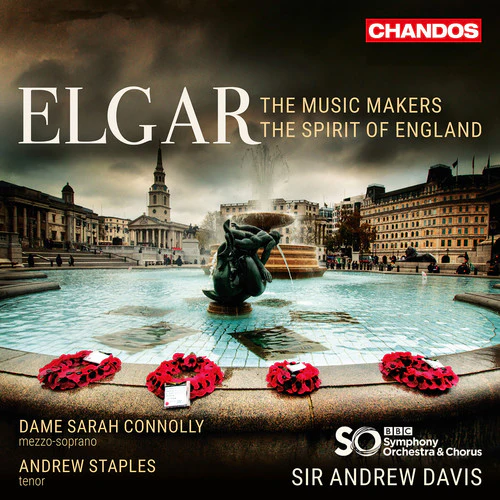
Elgar: The Music Makers & The Spirit of England / Connolly, Staples, Davis, BBC Symphony

Distinguished British music interpreter Sir Andrew Davis joins forces with the BBCSO once again, this time with acclaimed soloists Dame Sarah Connolly and Andrew Staples, in this thoughtful presentation of the last two substantial choral works of Sir Edward Elgar. The matury of Elgar as an orchestrator is obvious in both works on this album, notably, in ‘The Music Makers’ (1912), during passages in which he quotes from ‘Sea Pictures’ and the Violin Concerto, and in representing the sound of aircraft in ‘The Spirit of England’ (1917). Elgar uses self-quotation to reflect: ‘The Music Makers’ is a canvas of self-reflection, written quickly following a period of illness. The orchestral introduction is introspective, melancholic, and noble, before the words of Arthur O’Shaughanessy’s poem and much self-quotation within the music offer an insight into the sense of nostalgia and awareness of the loneliness of the creative artist felt by the composer. ‘The Spirit of England’ reflects on the sadness and desolation of war felt by a nation, with the inclusion of quotations from ‘The Dream of Gerontius’ in some of the more negative stanzas that Elgar found harder to set. Specified in the score for tenor or soprano, all three movements are sung here by a tenor in a recording first.
Distinguished British music interpreter Sir Andrew Davis joins forces with the BBCSO once again, this time with acclaimed soloists Dame Sarah Connolly and Andrew Staples, in this thoughtful presentation of the last two substantial choral works of Sir Edward Elgar. The matury of Elgar as an orchestrator is obvious in both works on this album, notably, in ‘The Music Makers’ (1912), during passages in which he quotes from ‘Sea Pictures’ and the Violin Concerto, and in representing the sound of aircraft in ‘The Spirit of England’ (1917). Elgar uses self-quotation to reflect: ‘The Music Makers’ is a canvas of self-reflection, written quickly following a period of illness. The orchestral introduction is introspective, melancholic, and noble, before the words of Arthur O’Shaughanessy’s poem and much self-quotation within the music offer an insight into the sense of nostalgia and awareness of the loneliness of the creative artist felt by the composer. ‘The Spirit of England’ reflects on the sadness and desolation of war felt by a nation, with the inclusion of quotations from ‘The Dream of Gerontius’ in some of the more negative stanzas that Elgar found harder to set. Specified in the score for tenor or soprano, all three movements are sung here by a tenor in a recording first.
$16.99
Elgar: The Music Makers & The Spirit of England / Connolly, Staples, Davis, BBC Symphony—
$16.99
Description
Distinguished British music interpreter Sir Andrew Davis joins forces with the BBCSO once again, this time with acclaimed soloists Dame Sarah Connolly and Andrew Staples, in this thoughtful presentation of the last two substantial choral works of Sir Edward Elgar. The matury of Elgar as an orchestrator is obvious in both works on this album, notably, in ‘The Music Makers’ (1912), during passages in which he quotes from ‘Sea Pictures’ and the Violin Concerto, and in representing the sound of aircraft in ‘The Spirit of England’ (1917). Elgar uses self-quotation to reflect: ‘The Music Makers’ is a canvas of self-reflection, written quickly following a period of illness. The orchestral introduction is introspective, melancholic, and noble, before the words of Arthur O’Shaughanessy’s poem and much self-quotation within the music offer an insight into the sense of nostalgia and awareness of the loneliness of the creative artist felt by the composer. ‘The Spirit of England’ reflects on the sadness and desolation of war felt by a nation, with the inclusion of quotations from ‘The Dream of Gerontius’ in some of the more negative stanzas that Elgar found harder to set. Specified in the score for tenor or soprano, all three movements are sung here by a tenor in a recording first.