🎉 Up to 70% Off Selected ItemsShop Sale

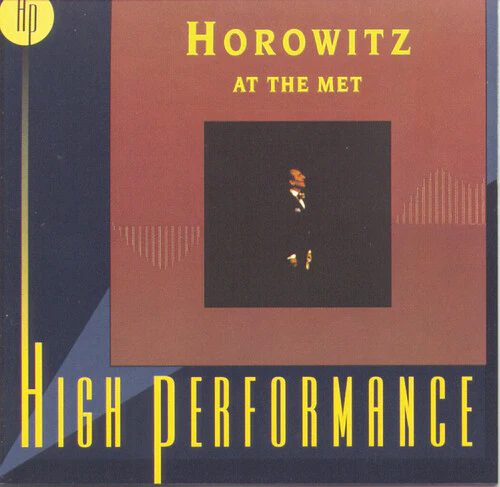
Horowitz at the Met
That Vladimir Horowitz begins this 1981 recital with six sonatas by Domenico Scarlatti seems to be much more than the default of chronological programming. At this late stage in his career, before an outsized audience, the "last Romantic" appears before an adoring public with clean, unfussy, and elegantly shaped interpretations of Baroque pieces conceived for the harpsichord.
He then leaps to Paris of the 1840s with the Chopin Ballade in F minor, thereby linking Scarlatti to the contrapuntal richness of late Chopin. Chopin went against the grain of public opinion in his championing of Scarlatti--a fact that did not escape Horowitz's attention. Indeed, Horowitz's balanced and richly textured reading of the Ballade compels the listener to hear it through the filter of Scarlatti.
This Scarlatti-Chopin connection seems to dictate the remainder of the recital, from the Liszt Ballade to the Chopin Waltz and the Rachmaninov Prelude. With the Rachmaninov, Horowitz is in Russia of the 20th century, and his idiomatic command of this music, from its fiery martial theme to its luxurious cantilena, and his flawless technique remain unrivalled.
He then leaps to Paris of the 1840s with the Chopin Ballade in F minor, thereby linking Scarlatti to the contrapuntal richness of late Chopin. Chopin went against the grain of public opinion in his championing of Scarlatti--a fact that did not escape Horowitz's attention. Indeed, Horowitz's balanced and richly textured reading of the Ballade compels the listener to hear it through the filter of Scarlatti.
This Scarlatti-Chopin connection seems to dictate the remainder of the recital, from the Liszt Ballade to the Chopin Waltz and the Rachmaninov Prelude. With the Rachmaninov, Horowitz is in Russia of the 20th century, and his idiomatic command of this music, from its fiery martial theme to its luxurious cantilena, and his flawless technique remain unrivalled.
That Vladimir Horowitz begins this 1981 recital with six sonatas by Domenico Scarlatti seems to be much more than the default of chronological programming. At this late stage in his career, before an outsized audience, the "last Romantic" appears before an adoring public with clean, unfussy, and elegantly shaped interpretations of Baroque pieces conceived for the harpsichord.
He then leaps to Paris of the 1840s with the Chopin Ballade in F minor, thereby linking Scarlatti to the contrapuntal richness of late Chopin. Chopin went against the grain of public opinion in his championing of Scarlatti--a fact that did not escape Horowitz's attention. Indeed, Horowitz's balanced and richly textured reading of the Ballade compels the listener to hear it through the filter of Scarlatti.
This Scarlatti-Chopin connection seems to dictate the remainder of the recital, from the Liszt Ballade to the Chopin Waltz and the Rachmaninov Prelude. With the Rachmaninov, Horowitz is in Russia of the 20th century, and his idiomatic command of this music, from its fiery martial theme to its luxurious cantilena, and his flawless technique remain unrivalled.
He then leaps to Paris of the 1840s with the Chopin Ballade in F minor, thereby linking Scarlatti to the contrapuntal richness of late Chopin. Chopin went against the grain of public opinion in his championing of Scarlatti--a fact that did not escape Horowitz's attention. Indeed, Horowitz's balanced and richly textured reading of the Ballade compels the listener to hear it through the filter of Scarlatti.
This Scarlatti-Chopin connection seems to dictate the remainder of the recital, from the Liszt Ballade to the Chopin Waltz and the Rachmaninov Prelude. With the Rachmaninov, Horowitz is in Russia of the 20th century, and his idiomatic command of this music, from its fiery martial theme to its luxurious cantilena, and his flawless technique remain unrivalled.
$11.99
Horowitz at the Met—
$11.99
Description
That Vladimir Horowitz begins this 1981 recital with six sonatas by Domenico Scarlatti seems to be much more than the default of chronological programming. At this late stage in his career, before an outsized audience, the "last Romantic" appears before an adoring public with clean, unfussy, and elegantly shaped interpretations of Baroque pieces conceived for the harpsichord.
He then leaps to Paris of the 1840s with the Chopin Ballade in F minor, thereby linking Scarlatti to the contrapuntal richness of late Chopin. Chopin went against the grain of public opinion in his championing of Scarlatti--a fact that did not escape Horowitz's attention. Indeed, Horowitz's balanced and richly textured reading of the Ballade compels the listener to hear it through the filter of Scarlatti.
This Scarlatti-Chopin connection seems to dictate the remainder of the recital, from the Liszt Ballade to the Chopin Waltz and the Rachmaninov Prelude. With the Rachmaninov, Horowitz is in Russia of the 20th century, and his idiomatic command of this music, from its fiery martial theme to its luxurious cantilena, and his flawless technique remain unrivalled.
He then leaps to Paris of the 1840s with the Chopin Ballade in F minor, thereby linking Scarlatti to the contrapuntal richness of late Chopin. Chopin went against the grain of public opinion in his championing of Scarlatti--a fact that did not escape Horowitz's attention. Indeed, Horowitz's balanced and richly textured reading of the Ballade compels the listener to hear it through the filter of Scarlatti.
This Scarlatti-Chopin connection seems to dictate the remainder of the recital, from the Liszt Ballade to the Chopin Waltz and the Rachmaninov Prelude. With the Rachmaninov, Horowitz is in Russia of the 20th century, and his idiomatic command of this music, from its fiery martial theme to its luxurious cantilena, and his flawless technique remain unrivalled.