🎉 Up to 70% Off Selected ItemsShop Sale

1 / 2
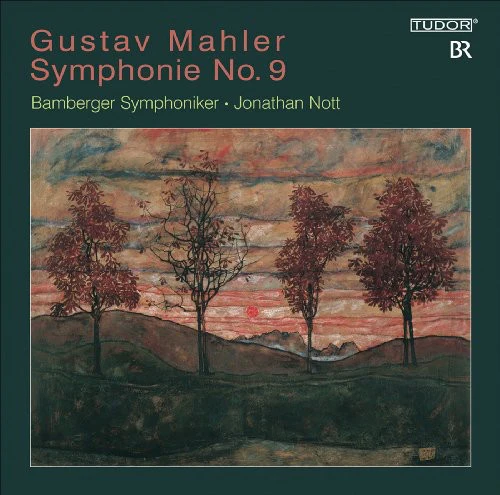
Mahler: Symphony No 9 / Nott, Bamberg SO
Jonathan Nott’s Mahler cycle has now reached the fourth installment. Recordings have already been issued of the First Symphony, the Fifth Symphony and the Fourth. This is the first in the series to come my way.
Before considering the performance I think a few words about the recording itself may be helpful – I listened to these hybrid SACDs as conventional CDs. When I first started listening I thought that the sound appeared almost too close. In fact, I found that my ears soon adjusted as the performance continued and that I didn’t find the closeness to be as much of an issue on further hearings. I suppose the effect is rather akin to sitting just a few rows back from the stage in the concert hall. The orchestra sounds very ‘present’. There certainly seems to be a good spread of sound from one side of the platform, as it were, to the other but I’m less sure that there’s adequate front-to-back perspective. Another feature of the recording is that Nott has divided his violins left and right – of which I heartily approve. However, until the finale, where the strings dominate the scoring for much of the time, I couldn’t hear much of the viola, cello or double bass lines. In fact the strings as a whole are too easily swamped by the wind and brass sections in the first three movements.
For comparison I put on Simon Rattle’s Berliner Philharmoniker recording, which I so much admired in 2008 (see review by Tony Duggan). Here too the recording is fairly close but much more inner string detail is evident. I strongly suspect that the Tudor engineers have used a limited microphone array in an effort to present a truthful concert hall sound image whereas the EMI team have probably used multiple microphones placed within or above the orchestra in order to capture much more detail. I think the Tudor sound does indeed present the sort of sound that you’d hear in a concert hall – and Mahler’s scoring is very often wind- and brass-heavy – and it depends whether you want a recording for home listening to give you a concert hall perspective or whether you want as much detail as possible.
So you might want to sample the recording before purchasing. However, even if the sound is not quite your ideal – and, as I say, my ears adjusted quite quickly – sonic considerations aren’t everything here for Nott leads a fine performance of this magnificent, complex symphony.
He takes a fairly spacious view of I. In fact, at 29:46 his is one of the longest performances I know. Rattle is slightly quicker overall (28:56) but it’s interesting to note that some, though by no means all, conductors of the previous generation have taken less time over this movement. Barbirolli, for example, took 26:53 in his famous EMI Berlin recording, while Kubelik’s live 1975 reading (Audite) took 26:44. The celebrated 1938 Bruno Walter recording flashes by in 24:47. Have Mahler performances broadened over the years?
Nott may be spacious but throughout the movement his control and concentration are impressive. His reading isn’t as passionate as Rattle can be at times; it’s more patient. There were one or two occasions when I thought his speeds were just a little bit too measured but as a whole his reading is impressive. The climaxes are thrust home – at these points one has the impression that the orchestra is playing flat out – but the quiet passages often impress. For example the ghostly passage between 8: 01 and 9:47 is imaginatively presented with lots of good detail – I like the distanced muted horns, for instance. I think it would be fair to say that sometimes the violins sound just a little thin in alt and the string bass line is certainly underpowered – no doubt because one is so used, with many other conductors, to hearing the cellos and basses prominently through the right hand speaker. But, set against that I must say straightaway that much of the playing is vivid, the orchestra’s response is totally committed and there’s a lot of fine solo playing to admire. I have heard more dramatic, angst-ridden accounts of this amazingly rich movement but drama isn’t the whole story by any means and Nott’s account is very convincing and never less than wholly musical. He seems to see the whole movement in one long sweep and I admire his way with it very much.
The two inner movements go very well. There’s a good deal of sharply etched, piquant playing in II. Nott paces the music very well and he judges the many tempo modifications expertly. His reading of III is dynamic and thrusting. He and the engineers bring out a great deal of the teeming contrapuntal detail in the score. The trio (from 5:55) is taken at a suitably relaxed pace. This is nostalgic music but I like the fact that Nott never wallows in the sentiment; on the contrary, forward momentum is nicely maintained – and praise too for the solo trumpeter, whose silvery tone is just right. When the Rondo resumes (10:23) the music is turbulent and exciting right to the last bar.
The strings come into their own in the finale. The opening paragraphs are full-toned but the emotion is not overdone – Nott doesn’t play his cards too soon. The string playing is very good, the tone just weighty enough - and now we do hear a satisfyingly strong bass line. One rather special moment occurs between 4:05 and 4:54 where Nott obtains the most atmospheric playing imaginable from his strings. At this point the bass line is spectral with a wafer-thin violin line on top.
Nott unfolds the finale compellingly and the Bamberg strings and horn section in particular do him proud. Once again, this isn’t perhaps the most overtly emotional reading I’ve heard but the patience – perhaps even a degree of reserve? – brings its own rewards. Nott’s ability to take the long view and to build the movement incrementally means that when we reach the sustained ardent passage that lies at the heart of the movement (14:18 – 17:03) the effect is all the greater. The closing pages of this movement are always a huge test for players and conductor alike. Here the test is passed very successfully. During the last four minutes or so, starting with the second violin entry at 21:07, the music gradually winds down, all passion spent.
This Mahler Ninth is a very fine achievement. A host of great conductors and leading orchestras have essayed this symphony on disc over the years and though the seventeen versions on my own shelves don’t quite go from A to Z they do go from Barbirolli to Walter. This new version can certainly contend with the best of them and it’s one to which I’m sure I shall be returning frequently in the future.
-- John Quinn, MusicWeb International
Before considering the performance I think a few words about the recording itself may be helpful – I listened to these hybrid SACDs as conventional CDs. When I first started listening I thought that the sound appeared almost too close. In fact, I found that my ears soon adjusted as the performance continued and that I didn’t find the closeness to be as much of an issue on further hearings. I suppose the effect is rather akin to sitting just a few rows back from the stage in the concert hall. The orchestra sounds very ‘present’. There certainly seems to be a good spread of sound from one side of the platform, as it were, to the other but I’m less sure that there’s adequate front-to-back perspective. Another feature of the recording is that Nott has divided his violins left and right – of which I heartily approve. However, until the finale, where the strings dominate the scoring for much of the time, I couldn’t hear much of the viola, cello or double bass lines. In fact the strings as a whole are too easily swamped by the wind and brass sections in the first three movements.
For comparison I put on Simon Rattle’s Berliner Philharmoniker recording, which I so much admired in 2008 (see review by Tony Duggan). Here too the recording is fairly close but much more inner string detail is evident. I strongly suspect that the Tudor engineers have used a limited microphone array in an effort to present a truthful concert hall sound image whereas the EMI team have probably used multiple microphones placed within or above the orchestra in order to capture much more detail. I think the Tudor sound does indeed present the sort of sound that you’d hear in a concert hall – and Mahler’s scoring is very often wind- and brass-heavy – and it depends whether you want a recording for home listening to give you a concert hall perspective or whether you want as much detail as possible.
So you might want to sample the recording before purchasing. However, even if the sound is not quite your ideal – and, as I say, my ears adjusted quite quickly – sonic considerations aren’t everything here for Nott leads a fine performance of this magnificent, complex symphony.
He takes a fairly spacious view of I. In fact, at 29:46 his is one of the longest performances I know. Rattle is slightly quicker overall (28:56) but it’s interesting to note that some, though by no means all, conductors of the previous generation have taken less time over this movement. Barbirolli, for example, took 26:53 in his famous EMI Berlin recording, while Kubelik’s live 1975 reading (Audite) took 26:44. The celebrated 1938 Bruno Walter recording flashes by in 24:47. Have Mahler performances broadened over the years?
Nott may be spacious but throughout the movement his control and concentration are impressive. His reading isn’t as passionate as Rattle can be at times; it’s more patient. There were one or two occasions when I thought his speeds were just a little bit too measured but as a whole his reading is impressive. The climaxes are thrust home – at these points one has the impression that the orchestra is playing flat out – but the quiet passages often impress. For example the ghostly passage between 8: 01 and 9:47 is imaginatively presented with lots of good detail – I like the distanced muted horns, for instance. I think it would be fair to say that sometimes the violins sound just a little thin in alt and the string bass line is certainly underpowered – no doubt because one is so used, with many other conductors, to hearing the cellos and basses prominently through the right hand speaker. But, set against that I must say straightaway that much of the playing is vivid, the orchestra’s response is totally committed and there’s a lot of fine solo playing to admire. I have heard more dramatic, angst-ridden accounts of this amazingly rich movement but drama isn’t the whole story by any means and Nott’s account is very convincing and never less than wholly musical. He seems to see the whole movement in one long sweep and I admire his way with it very much.
The two inner movements go very well. There’s a good deal of sharply etched, piquant playing in II. Nott paces the music very well and he judges the many tempo modifications expertly. His reading of III is dynamic and thrusting. He and the engineers bring out a great deal of the teeming contrapuntal detail in the score. The trio (from 5:55) is taken at a suitably relaxed pace. This is nostalgic music but I like the fact that Nott never wallows in the sentiment; on the contrary, forward momentum is nicely maintained – and praise too for the solo trumpeter, whose silvery tone is just right. When the Rondo resumes (10:23) the music is turbulent and exciting right to the last bar.
The strings come into their own in the finale. The opening paragraphs are full-toned but the emotion is not overdone – Nott doesn’t play his cards too soon. The string playing is very good, the tone just weighty enough - and now we do hear a satisfyingly strong bass line. One rather special moment occurs between 4:05 and 4:54 where Nott obtains the most atmospheric playing imaginable from his strings. At this point the bass line is spectral with a wafer-thin violin line on top.
Nott unfolds the finale compellingly and the Bamberg strings and horn section in particular do him proud. Once again, this isn’t perhaps the most overtly emotional reading I’ve heard but the patience – perhaps even a degree of reserve? – brings its own rewards. Nott’s ability to take the long view and to build the movement incrementally means that when we reach the sustained ardent passage that lies at the heart of the movement (14:18 – 17:03) the effect is all the greater. The closing pages of this movement are always a huge test for players and conductor alike. Here the test is passed very successfully. During the last four minutes or so, starting with the second violin entry at 21:07, the music gradually winds down, all passion spent.
This Mahler Ninth is a very fine achievement. A host of great conductors and leading orchestras have essayed this symphony on disc over the years and though the seventeen versions on my own shelves don’t quite go from A to Z they do go from Barbirolli to Walter. This new version can certainly contend with the best of them and it’s one to which I’m sure I shall be returning frequently in the future.
-- John Quinn, MusicWeb International
Jonathan Nott’s Mahler cycle has now reached the fourth installment. Recordings have already been issued of the First Symphony, the Fifth Symphony and the Fourth. This is the first in the series to come my way.
Before considering the performance I think a few words about the recording itself may be helpful – I listened to these hybrid SACDs as conventional CDs. When I first started listening I thought that the sound appeared almost too close. In fact, I found that my ears soon adjusted as the performance continued and that I didn’t find the closeness to be as much of an issue on further hearings. I suppose the effect is rather akin to sitting just a few rows back from the stage in the concert hall. The orchestra sounds very ‘present’. There certainly seems to be a good spread of sound from one side of the platform, as it were, to the other but I’m less sure that there’s adequate front-to-back perspective. Another feature of the recording is that Nott has divided his violins left and right – of which I heartily approve. However, until the finale, where the strings dominate the scoring for much of the time, I couldn’t hear much of the viola, cello or double bass lines. In fact the strings as a whole are too easily swamped by the wind and brass sections in the first three movements.
For comparison I put on Simon Rattle’s Berliner Philharmoniker recording, which I so much admired in 2008 (see review by Tony Duggan). Here too the recording is fairly close but much more inner string detail is evident. I strongly suspect that the Tudor engineers have used a limited microphone array in an effort to present a truthful concert hall sound image whereas the EMI team have probably used multiple microphones placed within or above the orchestra in order to capture much more detail. I think the Tudor sound does indeed present the sort of sound that you’d hear in a concert hall – and Mahler’s scoring is very often wind- and brass-heavy – and it depends whether you want a recording for home listening to give you a concert hall perspective or whether you want as much detail as possible.
So you might want to sample the recording before purchasing. However, even if the sound is not quite your ideal – and, as I say, my ears adjusted quite quickly – sonic considerations aren’t everything here for Nott leads a fine performance of this magnificent, complex symphony.
He takes a fairly spacious view of I. In fact, at 29:46 his is one of the longest performances I know. Rattle is slightly quicker overall (28:56) but it’s interesting to note that some, though by no means all, conductors of the previous generation have taken less time over this movement. Barbirolli, for example, took 26:53 in his famous EMI Berlin recording, while Kubelik’s live 1975 reading (Audite) took 26:44. The celebrated 1938 Bruno Walter recording flashes by in 24:47. Have Mahler performances broadened over the years?
Nott may be spacious but throughout the movement his control and concentration are impressive. His reading isn’t as passionate as Rattle can be at times; it’s more patient. There were one or two occasions when I thought his speeds were just a little bit too measured but as a whole his reading is impressive. The climaxes are thrust home – at these points one has the impression that the orchestra is playing flat out – but the quiet passages often impress. For example the ghostly passage between 8: 01 and 9:47 is imaginatively presented with lots of good detail – I like the distanced muted horns, for instance. I think it would be fair to say that sometimes the violins sound just a little thin in alt and the string bass line is certainly underpowered – no doubt because one is so used, with many other conductors, to hearing the cellos and basses prominently through the right hand speaker. But, set against that I must say straightaway that much of the playing is vivid, the orchestra’s response is totally committed and there’s a lot of fine solo playing to admire. I have heard more dramatic, angst-ridden accounts of this amazingly rich movement but drama isn’t the whole story by any means and Nott’s account is very convincing and never less than wholly musical. He seems to see the whole movement in one long sweep and I admire his way with it very much.
The two inner movements go very well. There’s a good deal of sharply etched, piquant playing in II. Nott paces the music very well and he judges the many tempo modifications expertly. His reading of III is dynamic and thrusting. He and the engineers bring out a great deal of the teeming contrapuntal detail in the score. The trio (from 5:55) is taken at a suitably relaxed pace. This is nostalgic music but I like the fact that Nott never wallows in the sentiment; on the contrary, forward momentum is nicely maintained – and praise too for the solo trumpeter, whose silvery tone is just right. When the Rondo resumes (10:23) the music is turbulent and exciting right to the last bar.
The strings come into their own in the finale. The opening paragraphs are full-toned but the emotion is not overdone – Nott doesn’t play his cards too soon. The string playing is very good, the tone just weighty enough - and now we do hear a satisfyingly strong bass line. One rather special moment occurs between 4:05 and 4:54 where Nott obtains the most atmospheric playing imaginable from his strings. At this point the bass line is spectral with a wafer-thin violin line on top.
Nott unfolds the finale compellingly and the Bamberg strings and horn section in particular do him proud. Once again, this isn’t perhaps the most overtly emotional reading I’ve heard but the patience – perhaps even a degree of reserve? – brings its own rewards. Nott’s ability to take the long view and to build the movement incrementally means that when we reach the sustained ardent passage that lies at the heart of the movement (14:18 – 17:03) the effect is all the greater. The closing pages of this movement are always a huge test for players and conductor alike. Here the test is passed very successfully. During the last four minutes or so, starting with the second violin entry at 21:07, the music gradually winds down, all passion spent.
This Mahler Ninth is a very fine achievement. A host of great conductors and leading orchestras have essayed this symphony on disc over the years and though the seventeen versions on my own shelves don’t quite go from A to Z they do go from Barbirolli to Walter. This new version can certainly contend with the best of them and it’s one to which I’m sure I shall be returning frequently in the future.
-- John Quinn, MusicWeb International
Before considering the performance I think a few words about the recording itself may be helpful – I listened to these hybrid SACDs as conventional CDs. When I first started listening I thought that the sound appeared almost too close. In fact, I found that my ears soon adjusted as the performance continued and that I didn’t find the closeness to be as much of an issue on further hearings. I suppose the effect is rather akin to sitting just a few rows back from the stage in the concert hall. The orchestra sounds very ‘present’. There certainly seems to be a good spread of sound from one side of the platform, as it were, to the other but I’m less sure that there’s adequate front-to-back perspective. Another feature of the recording is that Nott has divided his violins left and right – of which I heartily approve. However, until the finale, where the strings dominate the scoring for much of the time, I couldn’t hear much of the viola, cello or double bass lines. In fact the strings as a whole are too easily swamped by the wind and brass sections in the first three movements.
For comparison I put on Simon Rattle’s Berliner Philharmoniker recording, which I so much admired in 2008 (see review by Tony Duggan). Here too the recording is fairly close but much more inner string detail is evident. I strongly suspect that the Tudor engineers have used a limited microphone array in an effort to present a truthful concert hall sound image whereas the EMI team have probably used multiple microphones placed within or above the orchestra in order to capture much more detail. I think the Tudor sound does indeed present the sort of sound that you’d hear in a concert hall – and Mahler’s scoring is very often wind- and brass-heavy – and it depends whether you want a recording for home listening to give you a concert hall perspective or whether you want as much detail as possible.
So you might want to sample the recording before purchasing. However, even if the sound is not quite your ideal – and, as I say, my ears adjusted quite quickly – sonic considerations aren’t everything here for Nott leads a fine performance of this magnificent, complex symphony.
He takes a fairly spacious view of I. In fact, at 29:46 his is one of the longest performances I know. Rattle is slightly quicker overall (28:56) but it’s interesting to note that some, though by no means all, conductors of the previous generation have taken less time over this movement. Barbirolli, for example, took 26:53 in his famous EMI Berlin recording, while Kubelik’s live 1975 reading (Audite) took 26:44. The celebrated 1938 Bruno Walter recording flashes by in 24:47. Have Mahler performances broadened over the years?
Nott may be spacious but throughout the movement his control and concentration are impressive. His reading isn’t as passionate as Rattle can be at times; it’s more patient. There were one or two occasions when I thought his speeds were just a little bit too measured but as a whole his reading is impressive. The climaxes are thrust home – at these points one has the impression that the orchestra is playing flat out – but the quiet passages often impress. For example the ghostly passage between 8: 01 and 9:47 is imaginatively presented with lots of good detail – I like the distanced muted horns, for instance. I think it would be fair to say that sometimes the violins sound just a little thin in alt and the string bass line is certainly underpowered – no doubt because one is so used, with many other conductors, to hearing the cellos and basses prominently through the right hand speaker. But, set against that I must say straightaway that much of the playing is vivid, the orchestra’s response is totally committed and there’s a lot of fine solo playing to admire. I have heard more dramatic, angst-ridden accounts of this amazingly rich movement but drama isn’t the whole story by any means and Nott’s account is very convincing and never less than wholly musical. He seems to see the whole movement in one long sweep and I admire his way with it very much.
The two inner movements go very well. There’s a good deal of sharply etched, piquant playing in II. Nott paces the music very well and he judges the many tempo modifications expertly. His reading of III is dynamic and thrusting. He and the engineers bring out a great deal of the teeming contrapuntal detail in the score. The trio (from 5:55) is taken at a suitably relaxed pace. This is nostalgic music but I like the fact that Nott never wallows in the sentiment; on the contrary, forward momentum is nicely maintained – and praise too for the solo trumpeter, whose silvery tone is just right. When the Rondo resumes (10:23) the music is turbulent and exciting right to the last bar.
The strings come into their own in the finale. The opening paragraphs are full-toned but the emotion is not overdone – Nott doesn’t play his cards too soon. The string playing is very good, the tone just weighty enough - and now we do hear a satisfyingly strong bass line. One rather special moment occurs between 4:05 and 4:54 where Nott obtains the most atmospheric playing imaginable from his strings. At this point the bass line is spectral with a wafer-thin violin line on top.
Nott unfolds the finale compellingly and the Bamberg strings and horn section in particular do him proud. Once again, this isn’t perhaps the most overtly emotional reading I’ve heard but the patience – perhaps even a degree of reserve? – brings its own rewards. Nott’s ability to take the long view and to build the movement incrementally means that when we reach the sustained ardent passage that lies at the heart of the movement (14:18 – 17:03) the effect is all the greater. The closing pages of this movement are always a huge test for players and conductor alike. Here the test is passed very successfully. During the last four minutes or so, starting with the second violin entry at 21:07, the music gradually winds down, all passion spent.
This Mahler Ninth is a very fine achievement. A host of great conductors and leading orchestras have essayed this symphony on disc over the years and though the seventeen versions on my own shelves don’t quite go from A to Z they do go from Barbirolli to Walter. This new version can certainly contend with the best of them and it’s one to which I’m sure I shall be returning frequently in the future.
-- John Quinn, MusicWeb International
$9.45
Original: $26.99
-65%Mahler: Symphony No 9 / Nott, Bamberg SO—
$26.99
$9.45Description
Jonathan Nott’s Mahler cycle has now reached the fourth installment. Recordings have already been issued of the First Symphony, the Fifth Symphony and the Fourth. This is the first in the series to come my way.
Before considering the performance I think a few words about the recording itself may be helpful – I listened to these hybrid SACDs as conventional CDs. When I first started listening I thought that the sound appeared almost too close. In fact, I found that my ears soon adjusted as the performance continued and that I didn’t find the closeness to be as much of an issue on further hearings. I suppose the effect is rather akin to sitting just a few rows back from the stage in the concert hall. The orchestra sounds very ‘present’. There certainly seems to be a good spread of sound from one side of the platform, as it were, to the other but I’m less sure that there’s adequate front-to-back perspective. Another feature of the recording is that Nott has divided his violins left and right – of which I heartily approve. However, until the finale, where the strings dominate the scoring for much of the time, I couldn’t hear much of the viola, cello or double bass lines. In fact the strings as a whole are too easily swamped by the wind and brass sections in the first three movements.
For comparison I put on Simon Rattle’s Berliner Philharmoniker recording, which I so much admired in 2008 (see review by Tony Duggan). Here too the recording is fairly close but much more inner string detail is evident. I strongly suspect that the Tudor engineers have used a limited microphone array in an effort to present a truthful concert hall sound image whereas the EMI team have probably used multiple microphones placed within or above the orchestra in order to capture much more detail. I think the Tudor sound does indeed present the sort of sound that you’d hear in a concert hall – and Mahler’s scoring is very often wind- and brass-heavy – and it depends whether you want a recording for home listening to give you a concert hall perspective or whether you want as much detail as possible.
So you might want to sample the recording before purchasing. However, even if the sound is not quite your ideal – and, as I say, my ears adjusted quite quickly – sonic considerations aren’t everything here for Nott leads a fine performance of this magnificent, complex symphony.
He takes a fairly spacious view of I. In fact, at 29:46 his is one of the longest performances I know. Rattle is slightly quicker overall (28:56) but it’s interesting to note that some, though by no means all, conductors of the previous generation have taken less time over this movement. Barbirolli, for example, took 26:53 in his famous EMI Berlin recording, while Kubelik’s live 1975 reading (Audite) took 26:44. The celebrated 1938 Bruno Walter recording flashes by in 24:47. Have Mahler performances broadened over the years?
Nott may be spacious but throughout the movement his control and concentration are impressive. His reading isn’t as passionate as Rattle can be at times; it’s more patient. There were one or two occasions when I thought his speeds were just a little bit too measured but as a whole his reading is impressive. The climaxes are thrust home – at these points one has the impression that the orchestra is playing flat out – but the quiet passages often impress. For example the ghostly passage between 8: 01 and 9:47 is imaginatively presented with lots of good detail – I like the distanced muted horns, for instance. I think it would be fair to say that sometimes the violins sound just a little thin in alt and the string bass line is certainly underpowered – no doubt because one is so used, with many other conductors, to hearing the cellos and basses prominently through the right hand speaker. But, set against that I must say straightaway that much of the playing is vivid, the orchestra’s response is totally committed and there’s a lot of fine solo playing to admire. I have heard more dramatic, angst-ridden accounts of this amazingly rich movement but drama isn’t the whole story by any means and Nott’s account is very convincing and never less than wholly musical. He seems to see the whole movement in one long sweep and I admire his way with it very much.
The two inner movements go very well. There’s a good deal of sharply etched, piquant playing in II. Nott paces the music very well and he judges the many tempo modifications expertly. His reading of III is dynamic and thrusting. He and the engineers bring out a great deal of the teeming contrapuntal detail in the score. The trio (from 5:55) is taken at a suitably relaxed pace. This is nostalgic music but I like the fact that Nott never wallows in the sentiment; on the contrary, forward momentum is nicely maintained – and praise too for the solo trumpeter, whose silvery tone is just right. When the Rondo resumes (10:23) the music is turbulent and exciting right to the last bar.
The strings come into their own in the finale. The opening paragraphs are full-toned but the emotion is not overdone – Nott doesn’t play his cards too soon. The string playing is very good, the tone just weighty enough - and now we do hear a satisfyingly strong bass line. One rather special moment occurs between 4:05 and 4:54 where Nott obtains the most atmospheric playing imaginable from his strings. At this point the bass line is spectral with a wafer-thin violin line on top.
Nott unfolds the finale compellingly and the Bamberg strings and horn section in particular do him proud. Once again, this isn’t perhaps the most overtly emotional reading I’ve heard but the patience – perhaps even a degree of reserve? – brings its own rewards. Nott’s ability to take the long view and to build the movement incrementally means that when we reach the sustained ardent passage that lies at the heart of the movement (14:18 – 17:03) the effect is all the greater. The closing pages of this movement are always a huge test for players and conductor alike. Here the test is passed very successfully. During the last four minutes or so, starting with the second violin entry at 21:07, the music gradually winds down, all passion spent.
This Mahler Ninth is a very fine achievement. A host of great conductors and leading orchestras have essayed this symphony on disc over the years and though the seventeen versions on my own shelves don’t quite go from A to Z they do go from Barbirolli to Walter. This new version can certainly contend with the best of them and it’s one to which I’m sure I shall be returning frequently in the future.
-- John Quinn, MusicWeb International
Before considering the performance I think a few words about the recording itself may be helpful – I listened to these hybrid SACDs as conventional CDs. When I first started listening I thought that the sound appeared almost too close. In fact, I found that my ears soon adjusted as the performance continued and that I didn’t find the closeness to be as much of an issue on further hearings. I suppose the effect is rather akin to sitting just a few rows back from the stage in the concert hall. The orchestra sounds very ‘present’. There certainly seems to be a good spread of sound from one side of the platform, as it were, to the other but I’m less sure that there’s adequate front-to-back perspective. Another feature of the recording is that Nott has divided his violins left and right – of which I heartily approve. However, until the finale, where the strings dominate the scoring for much of the time, I couldn’t hear much of the viola, cello or double bass lines. In fact the strings as a whole are too easily swamped by the wind and brass sections in the first three movements.
For comparison I put on Simon Rattle’s Berliner Philharmoniker recording, which I so much admired in 2008 (see review by Tony Duggan). Here too the recording is fairly close but much more inner string detail is evident. I strongly suspect that the Tudor engineers have used a limited microphone array in an effort to present a truthful concert hall sound image whereas the EMI team have probably used multiple microphones placed within or above the orchestra in order to capture much more detail. I think the Tudor sound does indeed present the sort of sound that you’d hear in a concert hall – and Mahler’s scoring is very often wind- and brass-heavy – and it depends whether you want a recording for home listening to give you a concert hall perspective or whether you want as much detail as possible.
So you might want to sample the recording before purchasing. However, even if the sound is not quite your ideal – and, as I say, my ears adjusted quite quickly – sonic considerations aren’t everything here for Nott leads a fine performance of this magnificent, complex symphony.
He takes a fairly spacious view of I. In fact, at 29:46 his is one of the longest performances I know. Rattle is slightly quicker overall (28:56) but it’s interesting to note that some, though by no means all, conductors of the previous generation have taken less time over this movement. Barbirolli, for example, took 26:53 in his famous EMI Berlin recording, while Kubelik’s live 1975 reading (Audite) took 26:44. The celebrated 1938 Bruno Walter recording flashes by in 24:47. Have Mahler performances broadened over the years?
Nott may be spacious but throughout the movement his control and concentration are impressive. His reading isn’t as passionate as Rattle can be at times; it’s more patient. There were one or two occasions when I thought his speeds were just a little bit too measured but as a whole his reading is impressive. The climaxes are thrust home – at these points one has the impression that the orchestra is playing flat out – but the quiet passages often impress. For example the ghostly passage between 8: 01 and 9:47 is imaginatively presented with lots of good detail – I like the distanced muted horns, for instance. I think it would be fair to say that sometimes the violins sound just a little thin in alt and the string bass line is certainly underpowered – no doubt because one is so used, with many other conductors, to hearing the cellos and basses prominently through the right hand speaker. But, set against that I must say straightaway that much of the playing is vivid, the orchestra’s response is totally committed and there’s a lot of fine solo playing to admire. I have heard more dramatic, angst-ridden accounts of this amazingly rich movement but drama isn’t the whole story by any means and Nott’s account is very convincing and never less than wholly musical. He seems to see the whole movement in one long sweep and I admire his way with it very much.
The two inner movements go very well. There’s a good deal of sharply etched, piquant playing in II. Nott paces the music very well and he judges the many tempo modifications expertly. His reading of III is dynamic and thrusting. He and the engineers bring out a great deal of the teeming contrapuntal detail in the score. The trio (from 5:55) is taken at a suitably relaxed pace. This is nostalgic music but I like the fact that Nott never wallows in the sentiment; on the contrary, forward momentum is nicely maintained – and praise too for the solo trumpeter, whose silvery tone is just right. When the Rondo resumes (10:23) the music is turbulent and exciting right to the last bar.
The strings come into their own in the finale. The opening paragraphs are full-toned but the emotion is not overdone – Nott doesn’t play his cards too soon. The string playing is very good, the tone just weighty enough - and now we do hear a satisfyingly strong bass line. One rather special moment occurs between 4:05 and 4:54 where Nott obtains the most atmospheric playing imaginable from his strings. At this point the bass line is spectral with a wafer-thin violin line on top.
Nott unfolds the finale compellingly and the Bamberg strings and horn section in particular do him proud. Once again, this isn’t perhaps the most overtly emotional reading I’ve heard but the patience – perhaps even a degree of reserve? – brings its own rewards. Nott’s ability to take the long view and to build the movement incrementally means that when we reach the sustained ardent passage that lies at the heart of the movement (14:18 – 17:03) the effect is all the greater. The closing pages of this movement are always a huge test for players and conductor alike. Here the test is passed very successfully. During the last four minutes or so, starting with the second violin entry at 21:07, the music gradually winds down, all passion spent.
This Mahler Ninth is a very fine achievement. A host of great conductors and leading orchestras have essayed this symphony on disc over the years and though the seventeen versions on my own shelves don’t quite go from A to Z they do go from Barbirolli to Walter. This new version can certainly contend with the best of them and it’s one to which I’m sure I shall be returning frequently in the future.
-- John Quinn, MusicWeb International