🎉 Up to 70% Off Selected ItemsShop Sale

1 / 2
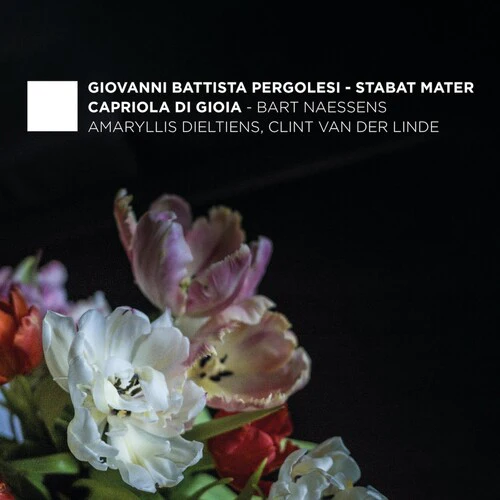
Pergolesi: Stabat Mater / Naessens, Dieltiens, Linde, Capriola di Gioia
Conductor Bart Naessens writes of this release: “For this version, we brought together two wonderful vocalists who are symbiotic and complementary both in terms of personality and musical interpretation. To emphasize the intimate and personal character of the work we have deliberately chosen a string ensemble with solo instruments, supported by the most traditional line-up of basso continuo in sacred music (organ & theorbo), which was given all possible improvisational freedom. This resulted in a ‘new’, fresh interpretation of this well-known piece of music, while we searched for the primal emotions of this beautiful poem about Mary and the melody it inspired.”
Conductor Bart Naessens writes of this release: “For this version, we brought together two wonderful vocalists who are symbiotic and complementary both in terms of personality and musical interpretation. To emphasize the intimate and personal character of the work we have deliberately chosen a string ensemble with solo instruments, supported by the most traditional line-up of basso continuo in sacred music (organ & theorbo), which was given all possible improvisational freedom. This resulted in a ‘new’, fresh interpretation of this well-known piece of music, while we searched for the primal emotions of this beautiful poem about Mary and the melody it inspired.”
$18.99
Pergolesi: Stabat Mater / Naessens, Dieltiens, Linde, Capriola di Gioia—
$18.99
Description
Conductor Bart Naessens writes of this release: “For this version, we brought together two wonderful vocalists who are symbiotic and complementary both in terms of personality and musical interpretation. To emphasize the intimate and personal character of the work we have deliberately chosen a string ensemble with solo instruments, supported by the most traditional line-up of basso continuo in sacred music (organ & theorbo), which was given all possible improvisational freedom. This resulted in a ‘new’, fresh interpretation of this well-known piece of music, while we searched for the primal emotions of this beautiful poem about Mary and the melody it inspired.”