🎉 Up to 70% Off Selected ItemsShop Sale

1 / 2
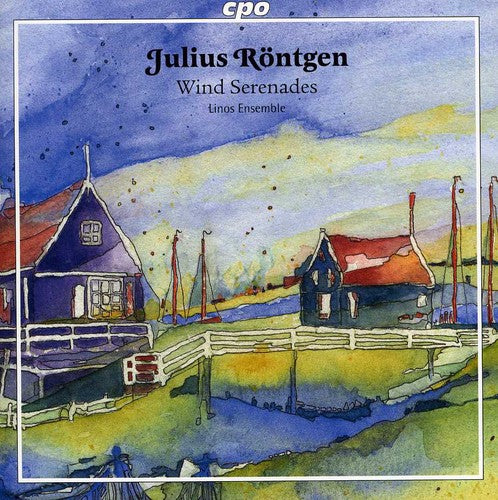
Rontgen: Wind Serenades / Linos Ensemble
RÖNTGEN Serenade (Wind Quintet). Serenade (Wind Septet). Trio for Flute, Oboe, and Bassoon • Linos Ens • CPO 777 127-2 (60:15)
As Jerry Dubins reviewed this disc at some length in Fanfare 36:1, I will make this relatively brief, wanting only to register some degree of dissent from his overall negative judgments. Basically, Dubins liked the rather Brahmsian early Serenade, op. 14, but dismissed the later wind quintet Serenade as a “frivolous, frothy fluff piece” and called the Trio “a work of modest means and even flimsier substance.” He concluded, “If you’re new to Röntgen ... I’d strongly suggest that you start with almost anything else by him than the disc at hand.” I must beg to differ with him regarding the latter two works. While these are indeed occasional pieces rather than major masterworks, they are all ingratiating and provide charming and rewarding listening. While the major influence on the late serenade is indeed, as Dubins notes, Richard Strauss—the clarinet at the opening is reminiscent of that in Till Eulenspiegel , and the end of the third movement sounds much like the music for the little Moorish servant boy from the final bars of Der Rosenkavalier —it also follows in the footsteps of Nielsen’s Quintet. Adjectives that spring to mind are saucy, insouciant, cheeky, and mischievous. It is constructed in a cyclic pattern with a return in the last movement to material from the first movement. The Trio is even closer to Nielsen’s ambit in the more craggy melodic contours and unexpected harmonic twists of its three brief movements. The connection is not surprising; not only was Röntgen an enthusiast for Scandinavian culture, who wrote a biography of his friend Edvard Grieg, but he also played in a string quartet with Carl Nielsen in 1892. It would be interesting to know of any further connections between them. I do admit to being less fond of this piece than of the two serenades, as the slow movement is uningratiating.
I do agree with Dubins regarding the high caliber of the playing of the Linos Ensemble, although in the Trio I do find the oboe to be a bit harsh and off in intonation (perhaps the instrument simply needed to be swabbed out). The recorded sound and booklet notes meet CPO’s usual excellent standards. For those who are particularly fond of the genre of wind serenades, this disc is a welcome addition to its not very sizeable repertoire.
FANFARE: James A. Altena
RÖNTGEN Serenade (Wind Quintet). Serenade (Wind Septet). Trio for Flute, Oboe, and Bassoon • Linos Ens • CPO 777 127-2 (60:15)
As Jerry Dubins reviewed this disc at some length in Fanfare 36:1, I will make this relatively brief, wanting only to register some degree of dissent from his overall negative judgments. Basically, Dubins liked the rather Brahmsian early Serenade, op. 14, but dismissed the later wind quintet Serenade as a “frivolous, frothy fluff piece” and called the Trio “a work of modest means and even flimsier substance.” He concluded, “If you’re new to Röntgen ... I’d strongly suggest that you start with almost anything else by him than the disc at hand.” I must beg to differ with him regarding the latter two works. While these are indeed occasional pieces rather than major masterworks, they are all ingratiating and provide charming and rewarding listening. While the major influence on the late serenade is indeed, as Dubins notes, Richard Strauss—the clarinet at the opening is reminiscent of that in Till Eulenspiegel , and the end of the third movement sounds much like the music for the little Moorish servant boy from the final bars of Der Rosenkavalier —it also follows in the footsteps of Nielsen’s Quintet. Adjectives that spring to mind are saucy, insouciant, cheeky, and mischievous. It is constructed in a cyclic pattern with a return in the last movement to material from the first movement. The Trio is even closer to Nielsen’s ambit in the more craggy melodic contours and unexpected harmonic twists of its three brief movements. The connection is not surprising; not only was Röntgen an enthusiast for Scandinavian culture, who wrote a biography of his friend Edvard Grieg, but he also played in a string quartet with Carl Nielsen in 1892. It would be interesting to know of any further connections between them. I do admit to being less fond of this piece than of the two serenades, as the slow movement is uningratiating.
I do agree with Dubins regarding the high caliber of the playing of the Linos Ensemble, although in the Trio I do find the oboe to be a bit harsh and off in intonation (perhaps the instrument simply needed to be swabbed out). The recorded sound and booklet notes meet CPO’s usual excellent standards. For those who are particularly fond of the genre of wind serenades, this disc is a welcome addition to its not very sizeable repertoire.
FANFARE: James A. Altena
$18.99
Rontgen: Wind Serenades / Linos Ensemble—
$18.99
Description
RÖNTGEN Serenade (Wind Quintet). Serenade (Wind Septet). Trio for Flute, Oboe, and Bassoon • Linos Ens • CPO 777 127-2 (60:15)
As Jerry Dubins reviewed this disc at some length in Fanfare 36:1, I will make this relatively brief, wanting only to register some degree of dissent from his overall negative judgments. Basically, Dubins liked the rather Brahmsian early Serenade, op. 14, but dismissed the later wind quintet Serenade as a “frivolous, frothy fluff piece” and called the Trio “a work of modest means and even flimsier substance.” He concluded, “If you’re new to Röntgen ... I’d strongly suggest that you start with almost anything else by him than the disc at hand.” I must beg to differ with him regarding the latter two works. While these are indeed occasional pieces rather than major masterworks, they are all ingratiating and provide charming and rewarding listening. While the major influence on the late serenade is indeed, as Dubins notes, Richard Strauss—the clarinet at the opening is reminiscent of that in Till Eulenspiegel , and the end of the third movement sounds much like the music for the little Moorish servant boy from the final bars of Der Rosenkavalier —it also follows in the footsteps of Nielsen’s Quintet. Adjectives that spring to mind are saucy, insouciant, cheeky, and mischievous. It is constructed in a cyclic pattern with a return in the last movement to material from the first movement. The Trio is even closer to Nielsen’s ambit in the more craggy melodic contours and unexpected harmonic twists of its three brief movements. The connection is not surprising; not only was Röntgen an enthusiast for Scandinavian culture, who wrote a biography of his friend Edvard Grieg, but he also played in a string quartet with Carl Nielsen in 1892. It would be interesting to know of any further connections between them. I do admit to being less fond of this piece than of the two serenades, as the slow movement is uningratiating.
I do agree with Dubins regarding the high caliber of the playing of the Linos Ensemble, although in the Trio I do find the oboe to be a bit harsh and off in intonation (perhaps the instrument simply needed to be swabbed out). The recorded sound and booklet notes meet CPO’s usual excellent standards. For those who are particularly fond of the genre of wind serenades, this disc is a welcome addition to its not very sizeable repertoire.
FANFARE: James A. Altena