🎉 Up to 70% Off Selected ItemsShop Sale

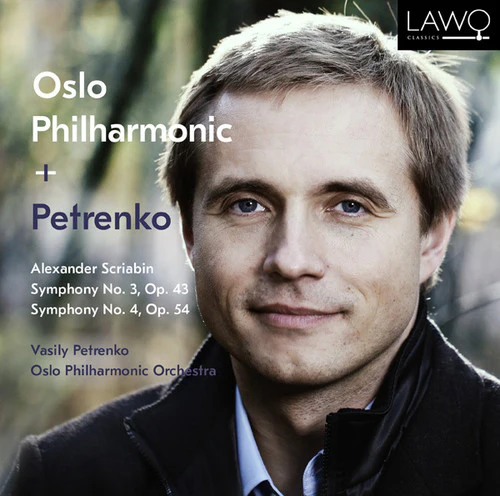
Scriabin: Symphonies Nos. 3 & 4 / Petrenko, Oslo Philharmonic
Also available: Scriabin: Symphony No. 2 & Piano Concerto / Petrenko and Scriabin: Symphony No. 1 & Prometheus / Petrenko
This CD release marks the start of a creative partnership between the Oslo Philharmonic and LAWO Classics. Alexander Scriabin’s deep immersion in esoteric philosophy and related spiritual awakening became integral to his art. The Russian composer’s initial conservative musical language evolved in the early 1900s and opened up to daring harmonic territories. His art was influenced in part by his reading of Helena Blavatsky’s The Secret Doctrine, a syncretic blend of ancient wisdom, occult practices, mysticism, and critical reactions to Darwin and modern "materialist" science.
-----
REVIEWS:
Petrenko shows an excellent grasp of each symphony's dramatic trajectory, and a broader than usual awareness of the creative legacy within which Scriabin worked.
– BBC Music Magazine
Petrenko’s debut disc with his new Oslo band should not be overlooked: Scriabin’s virtuosic writing holds no terrors for them, and they wallow in the “Voluptés” of No 3’s central movement with ravishing transparency. The Poem of Ecstasy is heady stuff, brilliantly played.
– Sunday Times (UK)
This CD release marks the start of a creative partnership between the Oslo Philharmonic and LAWO Classics. Alexander Scriabin’s deep immersion in esoteric philosophy and related spiritual awakening became integral to his art. The Russian composer’s initial conservative musical language evolved in the early 1900s and opened up to daring harmonic territories. His art was influenced in part by his reading of Helena Blavatsky’s The Secret Doctrine, a syncretic blend of ancient wisdom, occult practices, mysticism, and critical reactions to Darwin and modern "materialist" science.
-----
REVIEWS:
Petrenko shows an excellent grasp of each symphony's dramatic trajectory, and a broader than usual awareness of the creative legacy within which Scriabin worked.
– BBC Music Magazine
Petrenko’s debut disc with his new Oslo band should not be overlooked: Scriabin’s virtuosic writing holds no terrors for them, and they wallow in the “Voluptés” of No 3’s central movement with ravishing transparency. The Poem of Ecstasy is heady stuff, brilliantly played.
– Sunday Times (UK)
Also available: Scriabin: Symphony No. 2 & Piano Concerto / Petrenko and Scriabin: Symphony No. 1 & Prometheus / Petrenko
This CD release marks the start of a creative partnership between the Oslo Philharmonic and LAWO Classics. Alexander Scriabin’s deep immersion in esoteric philosophy and related spiritual awakening became integral to his art. The Russian composer’s initial conservative musical language evolved in the early 1900s and opened up to daring harmonic territories. His art was influenced in part by his reading of Helena Blavatsky’s The Secret Doctrine, a syncretic blend of ancient wisdom, occult practices, mysticism, and critical reactions to Darwin and modern "materialist" science.
-----
REVIEWS:
Petrenko shows an excellent grasp of each symphony's dramatic trajectory, and a broader than usual awareness of the creative legacy within which Scriabin worked.
– BBC Music Magazine
Petrenko’s debut disc with his new Oslo band should not be overlooked: Scriabin’s virtuosic writing holds no terrors for them, and they wallow in the “Voluptés” of No 3’s central movement with ravishing transparency. The Poem of Ecstasy is heady stuff, brilliantly played.
– Sunday Times (UK)
This CD release marks the start of a creative partnership between the Oslo Philharmonic and LAWO Classics. Alexander Scriabin’s deep immersion in esoteric philosophy and related spiritual awakening became integral to his art. The Russian composer’s initial conservative musical language evolved in the early 1900s and opened up to daring harmonic territories. His art was influenced in part by his reading of Helena Blavatsky’s The Secret Doctrine, a syncretic blend of ancient wisdom, occult practices, mysticism, and critical reactions to Darwin and modern "materialist" science.
-----
REVIEWS:
Petrenko shows an excellent grasp of each symphony's dramatic trajectory, and a broader than usual awareness of the creative legacy within which Scriabin worked.
– BBC Music Magazine
Petrenko’s debut disc with his new Oslo band should not be overlooked: Scriabin’s virtuosic writing holds no terrors for them, and they wallow in the “Voluptés” of No 3’s central movement with ravishing transparency. The Poem of Ecstasy is heady stuff, brilliantly played.
– Sunday Times (UK)
$18.99
Scriabin: Symphonies Nos. 3 & 4 / Petrenko, Oslo Philharmonic—
$18.99
Description
Also available: Scriabin: Symphony No. 2 & Piano Concerto / Petrenko and Scriabin: Symphony No. 1 & Prometheus / Petrenko
This CD release marks the start of a creative partnership between the Oslo Philharmonic and LAWO Classics. Alexander Scriabin’s deep immersion in esoteric philosophy and related spiritual awakening became integral to his art. The Russian composer’s initial conservative musical language evolved in the early 1900s and opened up to daring harmonic territories. His art was influenced in part by his reading of Helena Blavatsky’s The Secret Doctrine, a syncretic blend of ancient wisdom, occult practices, mysticism, and critical reactions to Darwin and modern "materialist" science.
-----
REVIEWS:
Petrenko shows an excellent grasp of each symphony's dramatic trajectory, and a broader than usual awareness of the creative legacy within which Scriabin worked.
– BBC Music Magazine
Petrenko’s debut disc with his new Oslo band should not be overlooked: Scriabin’s virtuosic writing holds no terrors for them, and they wallow in the “Voluptés” of No 3’s central movement with ravishing transparency. The Poem of Ecstasy is heady stuff, brilliantly played.
– Sunday Times (UK)
This CD release marks the start of a creative partnership between the Oslo Philharmonic and LAWO Classics. Alexander Scriabin’s deep immersion in esoteric philosophy and related spiritual awakening became integral to his art. The Russian composer’s initial conservative musical language evolved in the early 1900s and opened up to daring harmonic territories. His art was influenced in part by his reading of Helena Blavatsky’s The Secret Doctrine, a syncretic blend of ancient wisdom, occult practices, mysticism, and critical reactions to Darwin and modern "materialist" science.
-----
REVIEWS:
Petrenko shows an excellent grasp of each symphony's dramatic trajectory, and a broader than usual awareness of the creative legacy within which Scriabin worked.
– BBC Music Magazine
Petrenko’s debut disc with his new Oslo band should not be overlooked: Scriabin’s virtuosic writing holds no terrors for them, and they wallow in the “Voluptés” of No 3’s central movement with ravishing transparency. The Poem of Ecstasy is heady stuff, brilliantly played.
– Sunday Times (UK)