🎉 Up to 70% Off Selected ItemsShop Sale

1 / 2
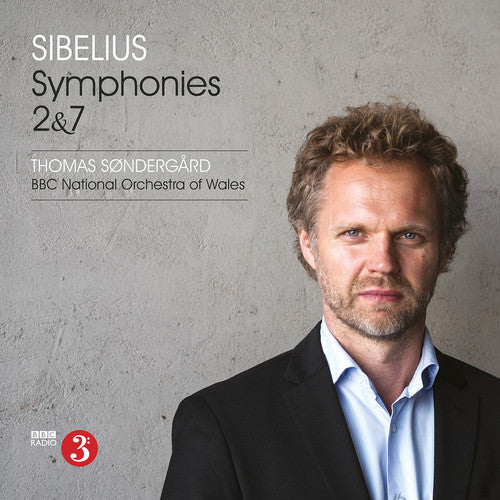
Sibelius: Symphonies Nos. 2 & 7 / Sondergard, BBC National Orchestra of Wales
These performances of the Second and Seventh Symphonies are impressive–particularly the case with the Second. Despite the work’s popularity, or maybe because of it, no other Sibelius symphony has received so many disappointing recordings, some by very major conductors (think: Karajan, for example). Søndergård gets it right. The first movement moves swiftly and purposefully. Usually it’s taken too slowly, its pastoral freshness compromised. Not here. The second movement’s turbulent climaxes have plenty of the necessary ferocity, and the scherzo is simply stunning at the swiftest possible tempo. The BBC National Orchestra of Wales strings really do themselves proud. Søndergård paces the finale perfectly, and only a certain timidity in the trumpets prevents its heroic opening theme from projecting with sufficient brilliance. Otherwise, this is certainly one of the better recent versions.
As for the Seventh, there are no issues at all. At just twenty minutes, again, Søndergård reveals his understanding of the idiom and mastery of large scale architecture. The transitions, from the opening adagio to the initial allegro and back again, and then on to that sunny pastoral interlude, all proceed with the inevitability of fate itself. The orchestra’s woodwinds and solo trombone do some particularly excellent work throughout the symphony, and the closing pages have that warm glow of fulfillment that seems completely unique to the work. Again it’s a question of timing, particularly those final “amen” chords. Sonically the engineering is warm and well balanced, but the soft timpani and brass have a tendency to vanish into the texture and lose presence. Still, if this is the first disc in a planned cycle, it looks like it’s going to be a very good one.
-- David Hurwitz, ClassicsToday.com
As for the Seventh, there are no issues at all. At just twenty minutes, again, Søndergård reveals his understanding of the idiom and mastery of large scale architecture. The transitions, from the opening adagio to the initial allegro and back again, and then on to that sunny pastoral interlude, all proceed with the inevitability of fate itself. The orchestra’s woodwinds and solo trombone do some particularly excellent work throughout the symphony, and the closing pages have that warm glow of fulfillment that seems completely unique to the work. Again it’s a question of timing, particularly those final “amen” chords. Sonically the engineering is warm and well balanced, but the soft timpani and brass have a tendency to vanish into the texture and lose presence. Still, if this is the first disc in a planned cycle, it looks like it’s going to be a very good one.
-- David Hurwitz, ClassicsToday.com
These performances of the Second and Seventh Symphonies are impressive–particularly the case with the Second. Despite the work’s popularity, or maybe because of it, no other Sibelius symphony has received so many disappointing recordings, some by very major conductors (think: Karajan, for example). Søndergård gets it right. The first movement moves swiftly and purposefully. Usually it’s taken too slowly, its pastoral freshness compromised. Not here. The second movement’s turbulent climaxes have plenty of the necessary ferocity, and the scherzo is simply stunning at the swiftest possible tempo. The BBC National Orchestra of Wales strings really do themselves proud. Søndergård paces the finale perfectly, and only a certain timidity in the trumpets prevents its heroic opening theme from projecting with sufficient brilliance. Otherwise, this is certainly one of the better recent versions.
As for the Seventh, there are no issues at all. At just twenty minutes, again, Søndergård reveals his understanding of the idiom and mastery of large scale architecture. The transitions, from the opening adagio to the initial allegro and back again, and then on to that sunny pastoral interlude, all proceed with the inevitability of fate itself. The orchestra’s woodwinds and solo trombone do some particularly excellent work throughout the symphony, and the closing pages have that warm glow of fulfillment that seems completely unique to the work. Again it’s a question of timing, particularly those final “amen” chords. Sonically the engineering is warm and well balanced, but the soft timpani and brass have a tendency to vanish into the texture and lose presence. Still, if this is the first disc in a planned cycle, it looks like it’s going to be a very good one.
-- David Hurwitz, ClassicsToday.com
As for the Seventh, there are no issues at all. At just twenty minutes, again, Søndergård reveals his understanding of the idiom and mastery of large scale architecture. The transitions, from the opening adagio to the initial allegro and back again, and then on to that sunny pastoral interlude, all proceed with the inevitability of fate itself. The orchestra’s woodwinds and solo trombone do some particularly excellent work throughout the symphony, and the closing pages have that warm glow of fulfillment that seems completely unique to the work. Again it’s a question of timing, particularly those final “amen” chords. Sonically the engineering is warm and well balanced, but the soft timpani and brass have a tendency to vanish into the texture and lose presence. Still, if this is the first disc in a planned cycle, it looks like it’s going to be a very good one.
-- David Hurwitz, ClassicsToday.com
$7.70
Original: $21.99
-65%Sibelius: Symphonies Nos. 2 & 7 / Sondergard, BBC National Orchestra of Wales—
$21.99
$7.70Description
These performances of the Second and Seventh Symphonies are impressive–particularly the case with the Second. Despite the work’s popularity, or maybe because of it, no other Sibelius symphony has received so many disappointing recordings, some by very major conductors (think: Karajan, for example). Søndergård gets it right. The first movement moves swiftly and purposefully. Usually it’s taken too slowly, its pastoral freshness compromised. Not here. The second movement’s turbulent climaxes have plenty of the necessary ferocity, and the scherzo is simply stunning at the swiftest possible tempo. The BBC National Orchestra of Wales strings really do themselves proud. Søndergård paces the finale perfectly, and only a certain timidity in the trumpets prevents its heroic opening theme from projecting with sufficient brilliance. Otherwise, this is certainly one of the better recent versions.
As for the Seventh, there are no issues at all. At just twenty minutes, again, Søndergård reveals his understanding of the idiom and mastery of large scale architecture. The transitions, from the opening adagio to the initial allegro and back again, and then on to that sunny pastoral interlude, all proceed with the inevitability of fate itself. The orchestra’s woodwinds and solo trombone do some particularly excellent work throughout the symphony, and the closing pages have that warm glow of fulfillment that seems completely unique to the work. Again it’s a question of timing, particularly those final “amen” chords. Sonically the engineering is warm and well balanced, but the soft timpani and brass have a tendency to vanish into the texture and lose presence. Still, if this is the first disc in a planned cycle, it looks like it’s going to be a very good one.
-- David Hurwitz, ClassicsToday.com
As for the Seventh, there are no issues at all. At just twenty minutes, again, Søndergård reveals his understanding of the idiom and mastery of large scale architecture. The transitions, from the opening adagio to the initial allegro and back again, and then on to that sunny pastoral interlude, all proceed with the inevitability of fate itself. The orchestra’s woodwinds and solo trombone do some particularly excellent work throughout the symphony, and the closing pages have that warm glow of fulfillment that seems completely unique to the work. Again it’s a question of timing, particularly those final “amen” chords. Sonically the engineering is warm and well balanced, but the soft timpani and brass have a tendency to vanish into the texture and lose presence. Still, if this is the first disc in a planned cycle, it looks like it’s going to be a very good one.
-- David Hurwitz, ClassicsToday.com